For many rental property owners, energy efficiency can feel like a low priority—especially when tenants are responsible for heating costs. If the tenant pays the utility bill, where is the return on investing in insulation or air sealing?
It’s a fair question. In practice, however, insulation improvements often provide benefits that go well beyond monthly energy savings.
It’s Not Just About Energy Bills
While insulation and air sealing can reduce heating costs, the biggest advantages for rental properties are often non-utility related. These include fewer maintenance issues, improved tenant comfort, reduced moisture problems, and better long-term durability. In many cases, insulation upgrades help protect the property itself.
Comfort Drives Tenant Satisfaction
Even when tenants pay their own heating bills, comfort remains a major concern. Common complaints include cold floors, drafty rooms, uneven temperatures, and spaces that are difficult to heat—issues often tied to air leakage and insufficient insulation.
Addressing these problems typically leads to more consistent temperatures, fewer drafts, and improved comfort. Comfortable tenants are more likely to stay longer, reducing turnover and vacancy costs.
Fewer Winter-Related Problems
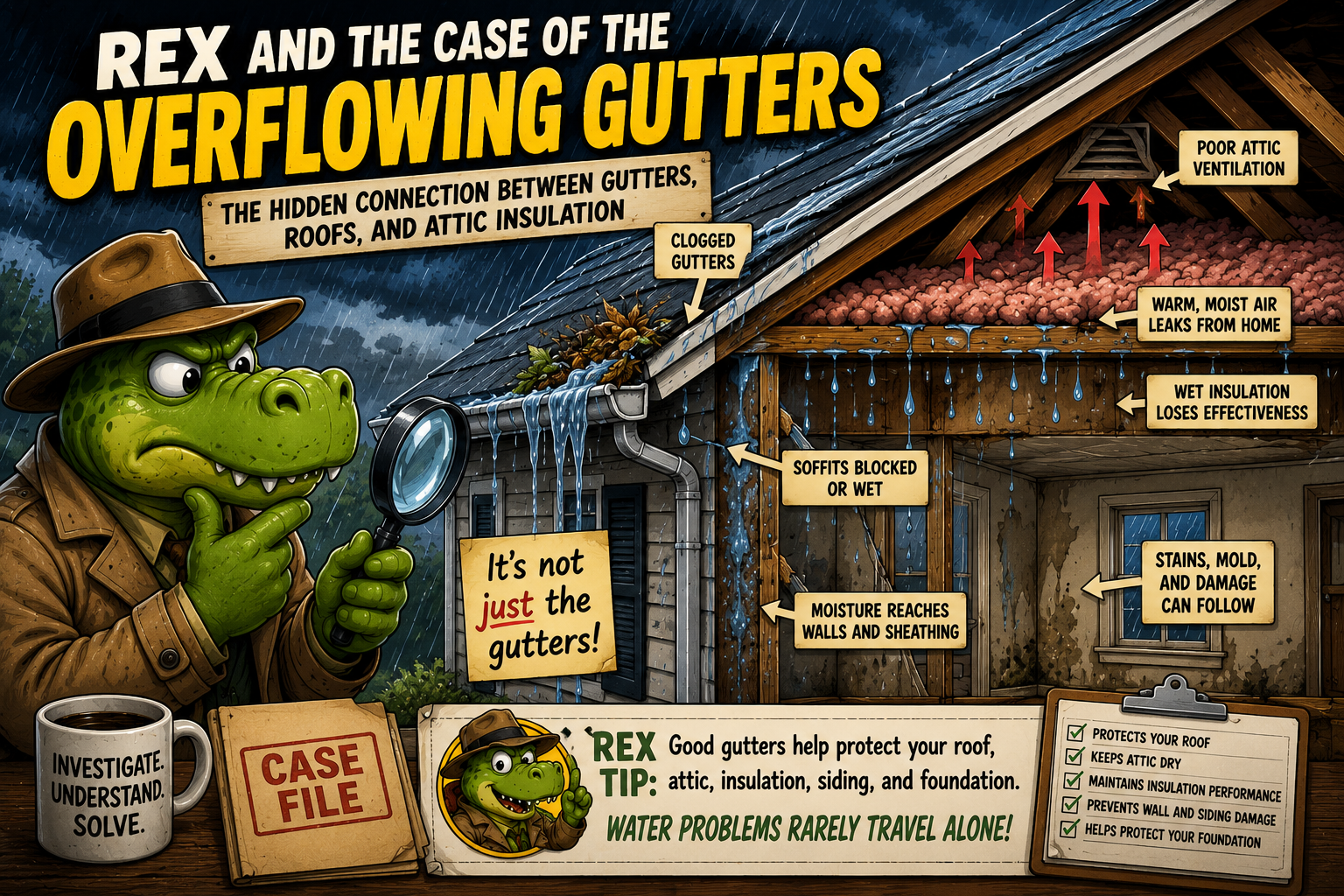
In colder climates like Wisconsin, poorly insulated buildings are more likely to experience ice dams, roof-edge ice buildup, attic moisture issues, and even frozen pipes during extreme weather. These are not just comfort concerns—they can become maintenance and repair problems.
Improving insulation and air sealing helps reduce heat loss into attics and wall cavities, lowering the likelihood of these issues.
Protecting the Building Over Time
One of the most overlooked benefits of insulation is its role in moisture control. When warm indoor air leaks into cold spaces, condensation can occur, affecting attic insulation, roof sheathing, framing, and interior finishes. Over time, this can lead to deterioration.
Reducing air leakage and controlling heat movement helps protect the structure and extend the life of building components.
Marketability and Rental Appeal
Energy-efficient units can also be easier to rent. Even when tenants pay utilities, many still ask whether a unit is expensive to heat, whether it feels drafty, or whether upgrades have been made. Properties known to be comfortable and efficient often have an advantage in competitive markets.
When Improvements Make Sense
Insulation upgrades are often most practical when units turn over, renovations are planned, or roofing and siding work is already being completed. Targeted improvements—such as attic air sealing or rim joist insulation—can often be completed without major disruption.
A Practical Perspective
While property owners may not see direct utility savings when tenants pay for heating, insulation and air sealing can reduce maintenance issues, improve tenant satisfaction, protect the building, and support long-term property value. For many, those benefits make insulation upgrades worth considering.