Spring time in Wisconsin. The snow is melting, the icicles are disappearing, and homeowners across Wisconsin are stepping outside thinking:
“We made it.”
And you did. But your attic might have a slightly different opinion. While winter may have ended - or getting close to ending, spring is when your house quietly starts revealing what just happened up there.
Your Attic Just Went Through a Long Winter
Over the past few months, your attic has been dealing with freezing temperatures, warm air rising from the house, moisture moving through insulation, and snow sitting on the roof for weeks at a time. It’s been working hard—whether you noticed it or not.
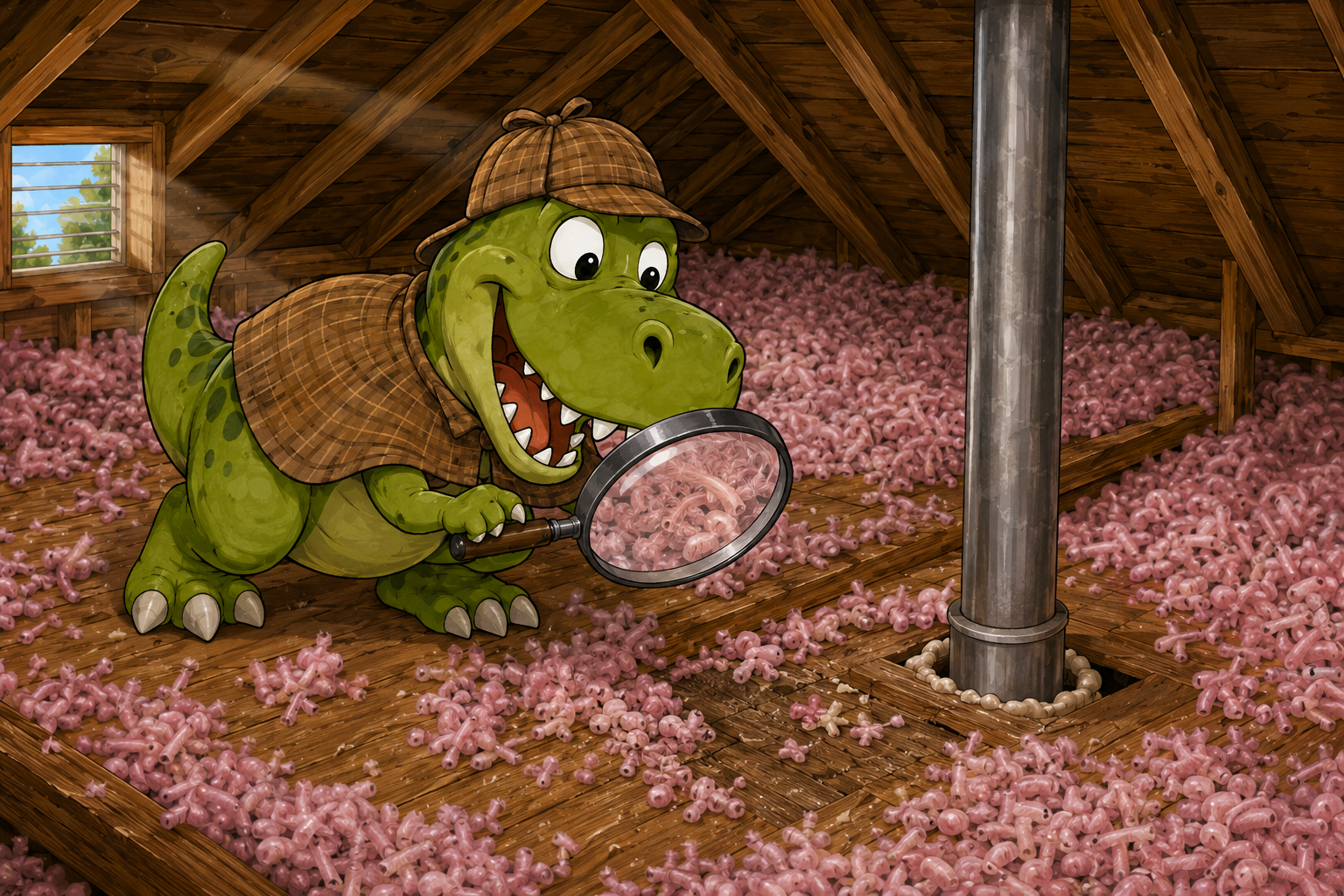
Your attic has been working hard all winter—and in some homes, it may have quietly turned into a miniature zoo. Mice, squirrels, and other small visitors don’t mind a little insulation if it helps them stay warm.
Now that temperatures are rising, this is when issues begin to show themselves.
Spring Is When Problems Become Visible
During winter, everything is frozen, and problems can exist without being obvious. In spring, things start to thaw, dry, and occasionally drip. This is when homeowners may begin to notice damp or compressed insulation, musty smells, water stains on ceilings, signs of previous ice dams, or uneven attic conditions. In other words, spring is when your attic stops hiding things.
The “Out of Sight, Out of Mind” Problem
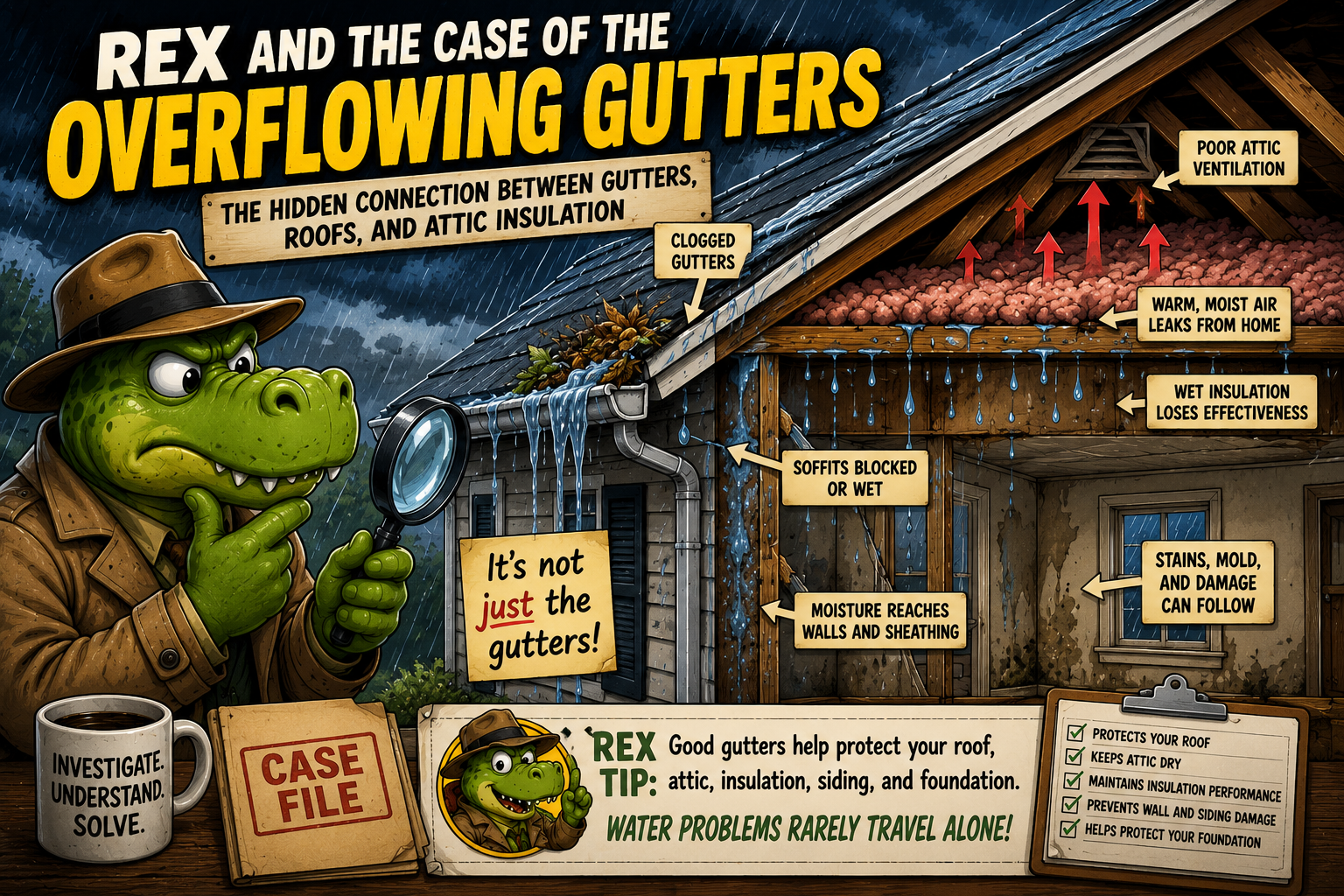
Most people don’t spend much time thinking about their attic, but it plays a major role in how comfortable your house feels, how much energy you use, and how your roof performs in winter. If something isn’t working properly up there, it usually shows up somewhere else—like cold rooms, high heating bills, or those impressive icicles from earlier in the season.
Why Spring Is the Ideal Time to Take a Look
Spring is a great time to check your attic for a few simple reasons. The weather is more cooperative, any issues from winter are still fresh, and you have time to address problems before next winter arrives—when small issues tend to become bigger ones. Spring gives you a window to be proactive instead of reactive.
What to Look For
You don’t need to be an expert to notice a few basic things. If you take a quick look in your attic, check for areas where insulation looks uneven or disturbed, signs of moisture or dampness, dark staining on wood surfaces, or exposed areas where insulation may be lacking. If something looks off, it probably is.
Why This Matters
Attic issues are rarely just attic issues. Small problems like air leaks or damp insulation can lead to heat loss, reduced comfort, moisture buildup, and recurring ice dams next winter. Addressing these early can help prevent more noticeable (and more expensive) problems down the road.
A Simple Way to Think About It
Winter is when your house is tested. Spring is when you get the results. And spring is a great time to evict those uninvited tenants... before they decide on long-term residency.
A Quick Note on Prevention
Many attic problems come down to two things: air leakage and insufficient or underperforming insulation. Sealing air leaks and improving insulation helps keep warm air inside the home and reduces the chance of moisture and ice dam issues returning next winter.
When It Might Be Time to Call Someone
If your home had large icicles, recurring ice dams, cold rooms, or high heating bills, it may be worth taking a closer look at the attic. An inspection can help identify where heat is escaping and what improvements might make the biggest difference.
One Last Thought
Your attic has just made it through another Wisconsin winter. Spring is the perfect time to check in on it—before it gets another chance to surprise you next year.