Summer arrives in Wisconsin and, for a few glorious weeks, everyone is thrilled—windows open, fresh air, sunshine. And then it gets hot. Really hot. Suddenly your house, which felt perfectly fine in spring, starts acting a little differently. Rooms feel warmer than they should, the upstairs turns into a sauna, and the air conditioner seems to be running… all the time.
At some point, many homeowners ask:
“Why is my house so hot—and why is my AC working so hard?”
Your House Is Collecting Heat All Day
During summer, your home is constantly gaining heat. Sunlight hits the roof, walls, and windows, and that heat slowly works its way inside. The biggest heat collector is your attic.
On a warm day, attic temperatures can easily reach 120–140°F. That heat sits right above your living space, pressing down through the ceiling. If insulation is lacking—or if air is moving freely between the attic and the house—that heat has an easy path indoors.
Why Upstairs Feels Like a Different Climate
If your second floor feels noticeably warmer than the first, you’re not imagining it. Heat rises and stays upstairs, while attic heat pushes downward at the same time. If insulation is uneven or air leaks are present, that heat moves into bedrooms and living spaces more easily. That’s why upstairs rooms often feel like a completely different climate zone.
The Air Conditioner Is Trying Its Best
When your house gains heat faster than it can lose it, your air conditioner has to work harder to keep up. You might notice longer run times, rooms that never quite cool down, and higher electric bills. In many cases, the AC isn’t the problem—it’s the amount of heat entering the home.
Do You Need a Bigger Air Conditioner?
When a home struggles to stay cool, it’s common to assume the air conditioner isn’t big enough or needs to be replaced. Sometimes that’s true—but often the issue is how much heat is entering the home in the first place.
If attic heat is working its way into the living space, even a properly sized system can struggle. Reducing that heat gain can sometimes make a noticeable difference without changing the equipment at all.
Air Leaks Work Both Ways
Air leakage isn’t just a winter issue. In summer, the same small openings that let warm air escape in winter can allow hot attic air to move into the house. Common areas include attic hatches, recessed lighting, wiring and plumbing penetrations, and gaps along top plates. These openings act like small pathways for heat.
Why Not Just Add More Attic Ventilation?
A common question is whether improving attic ventilation alone will solve the problem. After all, if the attic is hot, wouldn’t letting more air move through it cool things down?
Ventilation does help remove some heat and is important for moisture control, but it doesn’t stop heat from entering the home. Even a well-vented attic can still reach very high temperatures on a sunny day.
The bigger issue is how that heat moves into the house. If there are air leaks in the attic floor or insulation is underperforming, heat can still work its way into your living space regardless of how well the attic is ventilated.
A simple way to think about it is this: ventilation helps manage the attic environment, but insulation and air sealing are what protect the home below.
Signs Your Home May Be Gaining Too Much Heat
Common clues include:
- upstairs rooms that stay warmer
- a home that heats up quickly during the day
- an AC that runs frequently but struggles to keep up
- uneven or stuffy rooms
If any of these sound familiar, your home may be gaining more heat than it should.
What Helps Keep the Heat Out
The goal in summer is simple:
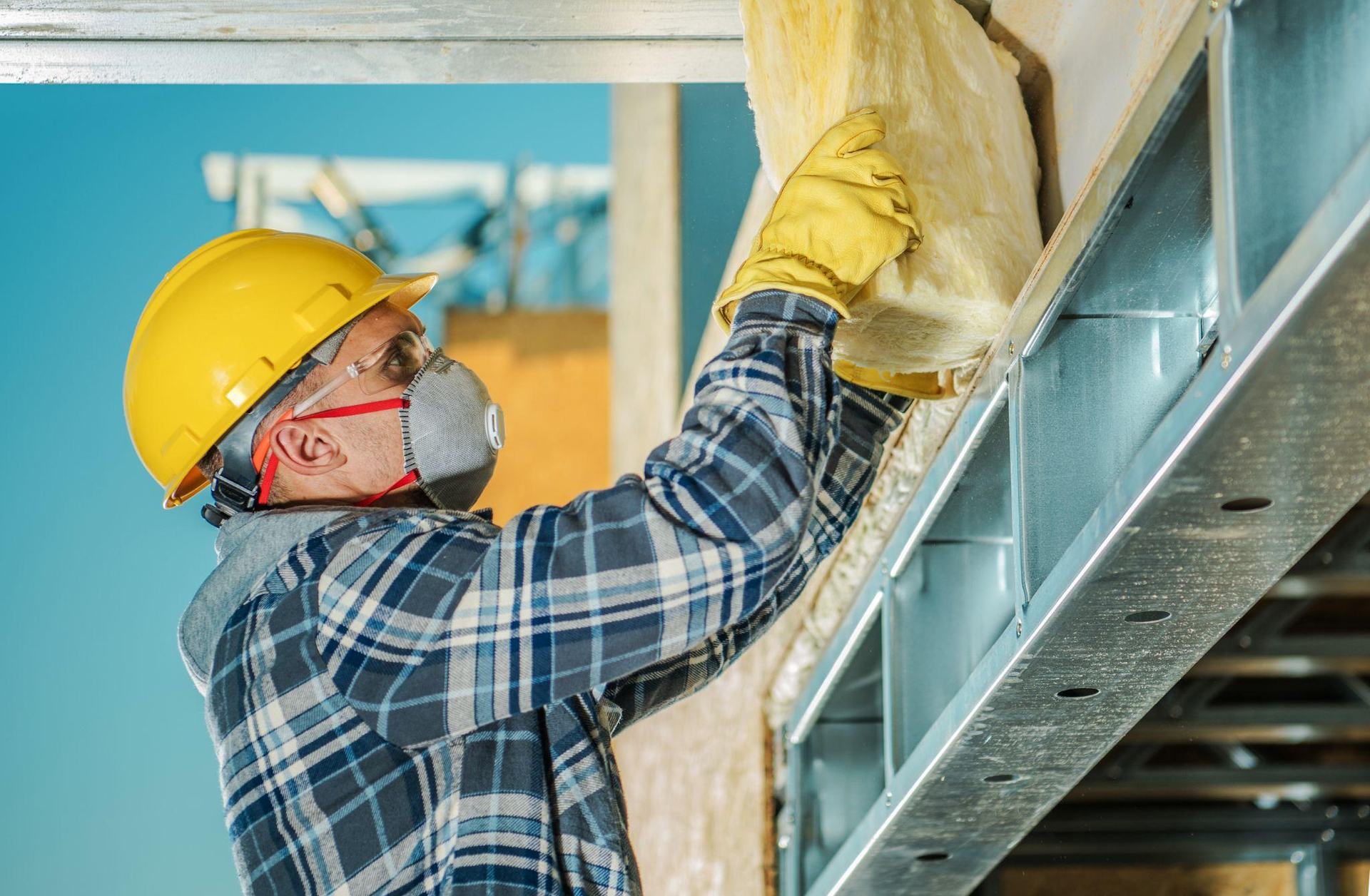
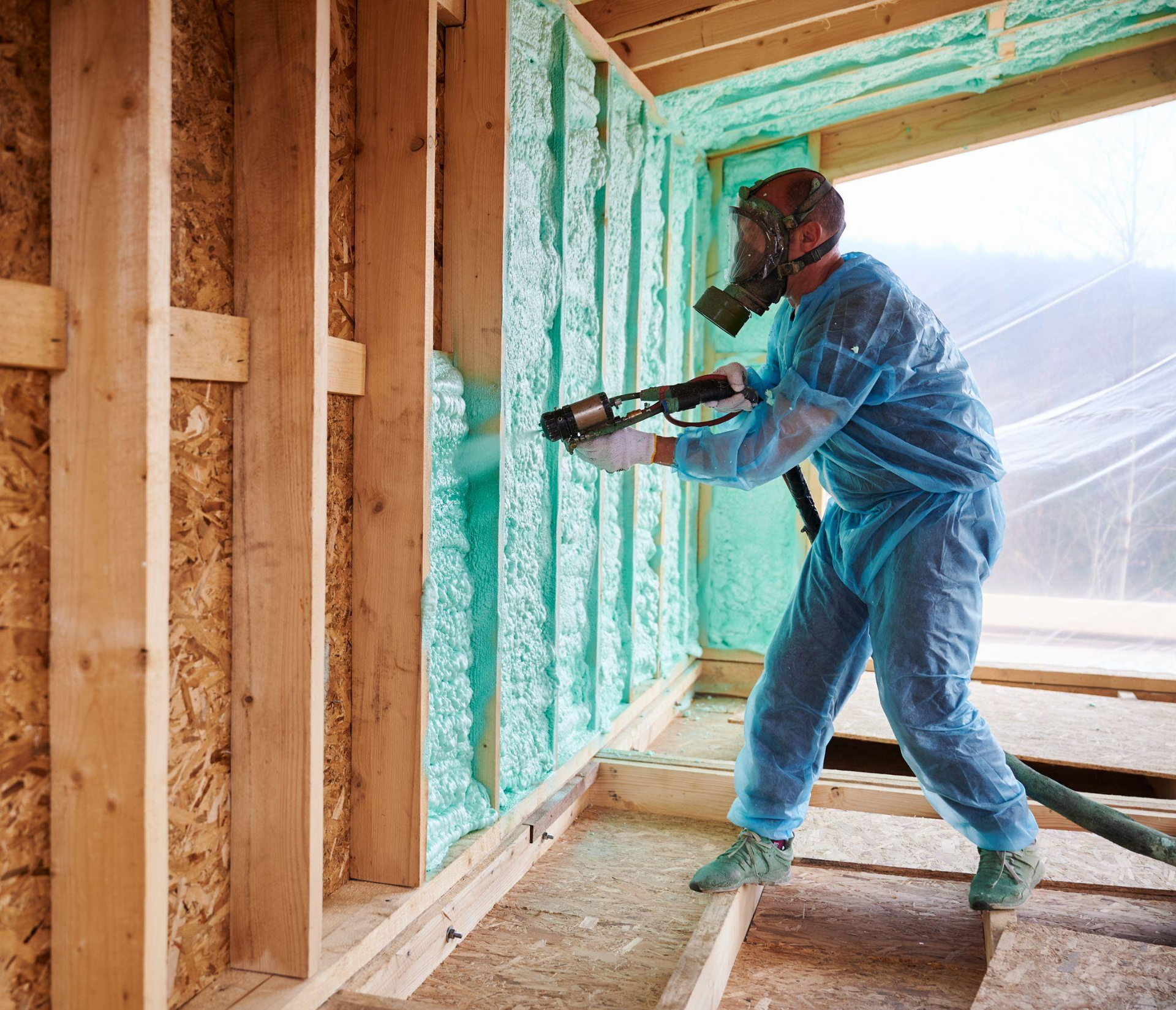
keep the heat outside. Air sealing closes off pathways that allow hot attic air to enter the home, while proper attic insulation slows heat transfer through the ceiling. Together, they help keep that 130-degree attic from affecting your living space.
A Cooler House—and a Lower Bill
Many homeowners notice the difference when the electric bill arrives. Cooling a home today generally costs more than it did just a few years ago, and when heat is entering from the attic, the air conditioner has to work longer just to maintain the same temperature.
When less heat enters the home, the system doesn’t have to run as often, which can help keep both temperatures and cooling costs more manageable during the hottest parts of summer.
A Simple Way to Think About It
In winter, you’re trying to keep heat in. In summer, you’re trying to keep heat out. The same issue—air leakage and underperforming insulation—affects both seasons.
When It Might Be Worth a Closer Look
If your home struggles to stay cool, especially on the upper floors, it may be worth taking a closer look at the attic. Identifying where heat is entering the home can help determine what improvements will make the biggest difference.