Fiberglass is the insulation most people know.
Pink, yellow, a little itchy—and in just about every house built in the last few decades.
It works. It’s affordable. It’s everywhere.
But here’s the part most people don’t realize: Fiberglass insulation doesn’t stop air movement.
And that’s where things get interesting.
What Is Fiberglass Insulation?
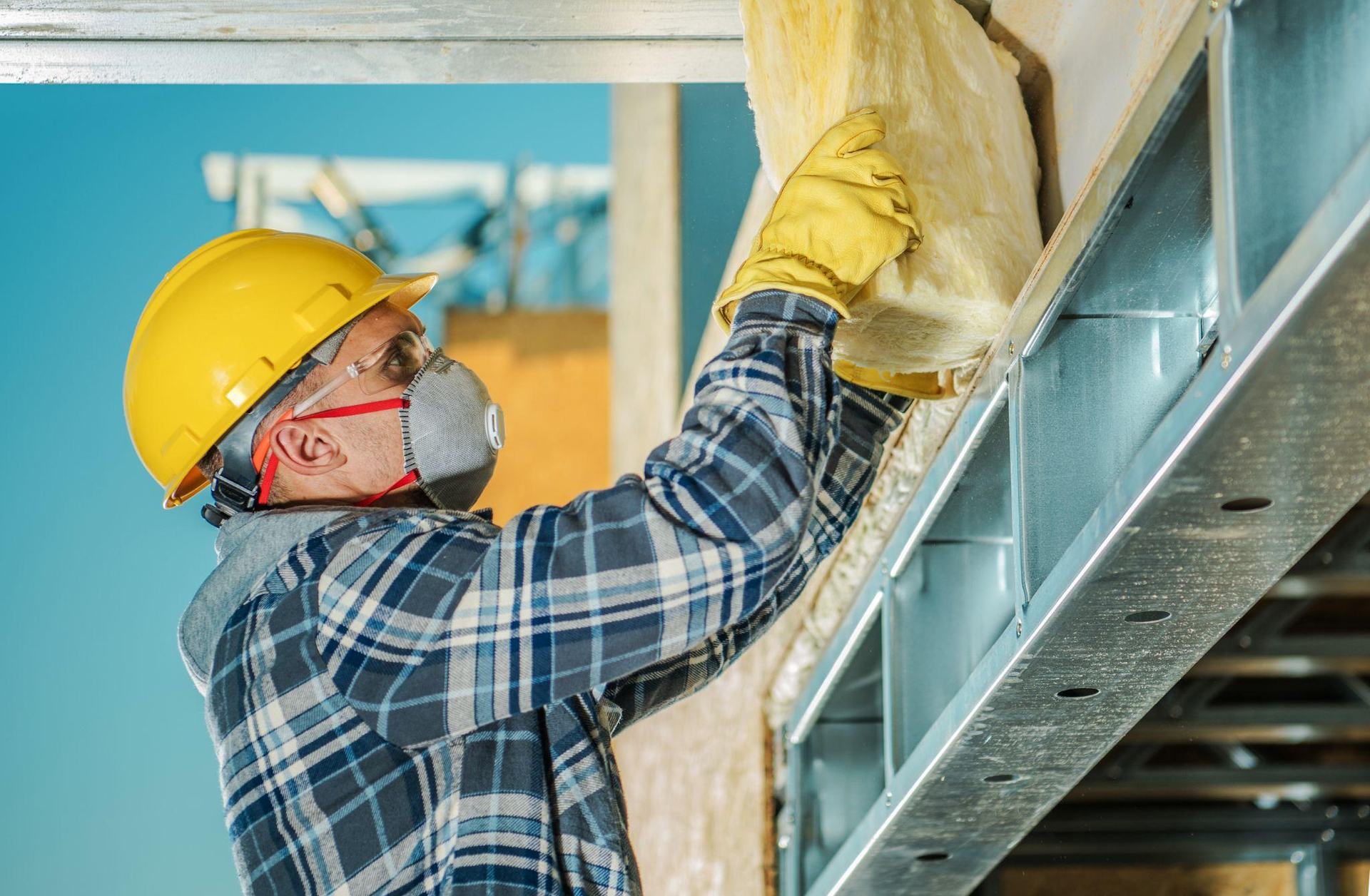
Fiberglass is made from spun glass fibers that trap air and slow heat movement.
It typically comes in:
- Batts (the familiar pink or yellow panels)
- Rolls
- Blown-in loose fill
On paper, it performs well.
In real houses… it depends.
👍 The Pros of Fiberglass
1. It’s Affordable
This is the biggest reason fiberglass is so common.
- Lower material cost
- Quick installation
- Widely available
For many projects, it’s the budget-friendly option.
2. Easy to Find and Install
- Available at any supply house
- Fits standard framing
- Familiar to builders and contractors
No surprises.
3. Fire Resistant
Fiberglass doesn’t burn, which adds a layer of safety.
4. Works Well in the Right Conditions
If:
- It’s installed carefully
- Air movement is controlled
…it can perform just fine.
👎 The Cons of Fiberglass
1. It Doesn’t Stop Air Movement
This is the big one.
Fiberglass:
- Slows heat
- Does not stop air
So when air moves:
- Heat goes with it
- Drafts still happen
- Comfort drops
2. Installation Quality Matters—a Lot
Fiberglass works great:
In a perfect installation.
Real life:
- Gaps around edges
- Compression
- Missed spots
All reduce performance.
Even small imperfections add up.
3. It Can Feel Drafty Even When Insulated
Homeowners often say:
“We have insulation, but the house still feels cold.”
That’s usually not the amount of insulation.
It’s the air moving through it.
4. Lower R-Value per Inch
Compared to some other materials:
- More thickness is needed to achieve the same R-value
Not a deal-breaker—but something to consider.
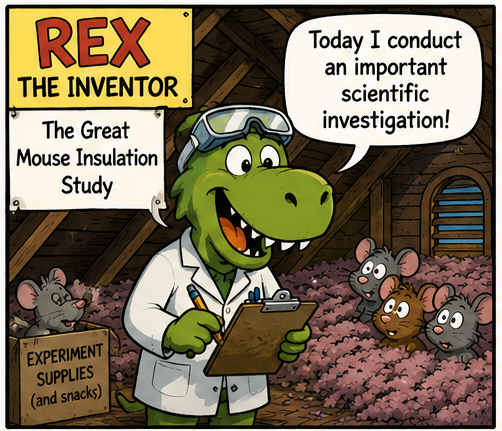
5. It Can Become a Home for Unwanted Guests
Fiberglass doesn’t attract animals—but it doesn’t stop them either.
- Soft and easy to move through
- Can be used as nesting material
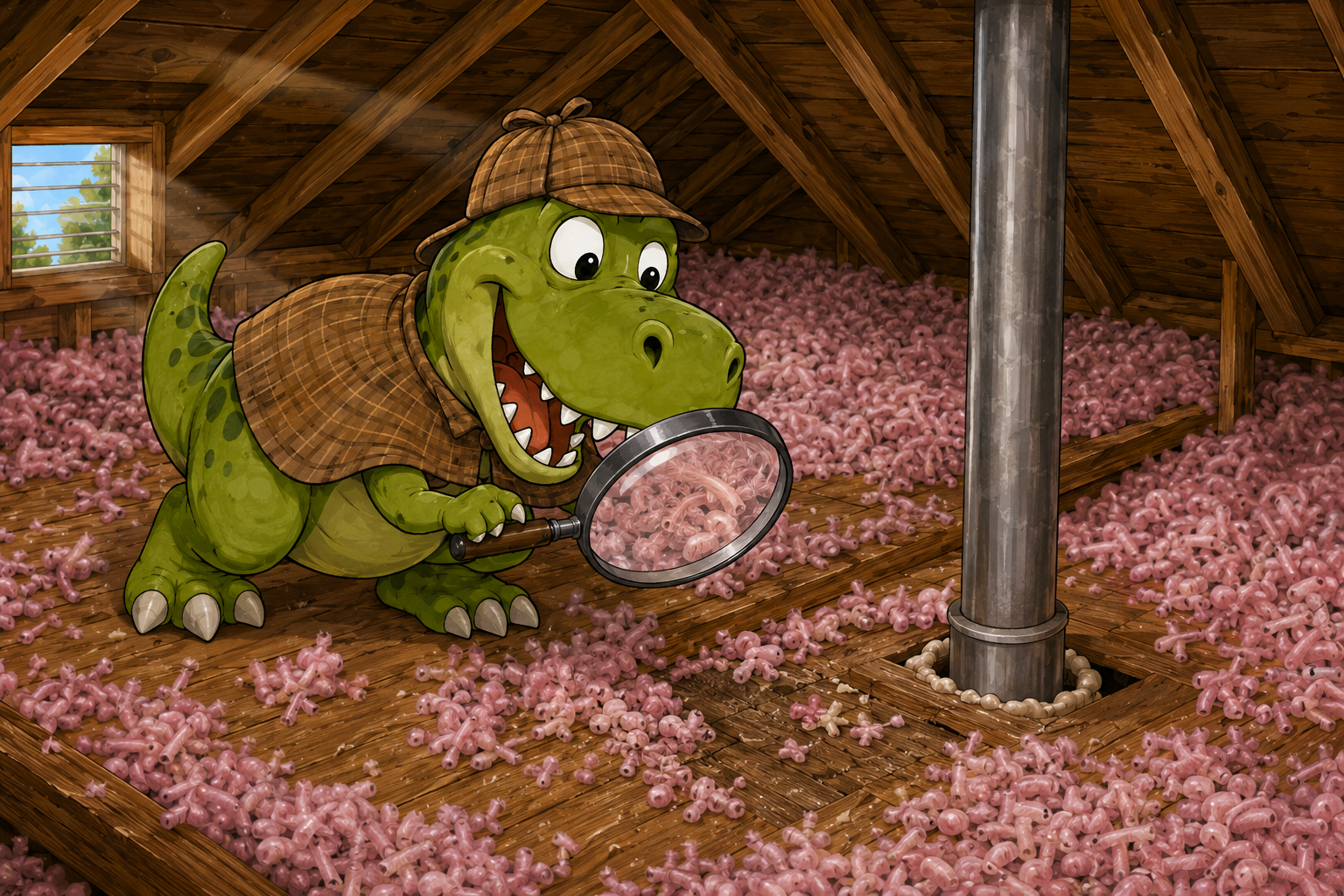
If something gets into your attic, fiberglass isn’t much of a barrier—it’s more like bedding.
🔍 Not All Fiberglass Is Installed the Same
This is often overlooked.
There’s a big difference between:
- Carefully fitted insulation
- Insulation that’s just “placed”
Gaps, compression, and poor fit can reduce performance more than people expect.
💡 Where Fiberglass Makes Sense
Fiberglass is a solid choice for:
- Budget-conscious projects
- Large, open attic spaces
- New construction (when paired with air sealing)
🚫 Where It Struggles
Fiberglass is not ideal for:
- Areas with air movement
- Irregular spaces
- Rim joists / box sills
- Retrofit situations without air sealing
🧠 The Big Takeaway
Fiberglass isn’t bad insulation.
It’s just incomplete on its own.
It works best when air movement is controlled.
Without that, it often under performs—no matter how much you install.
🔗 What Comes Next
In the
next post, we’ll look at
cellulose insulation—how it compares, where it performs better, and why it’s often used in retrofit work.