

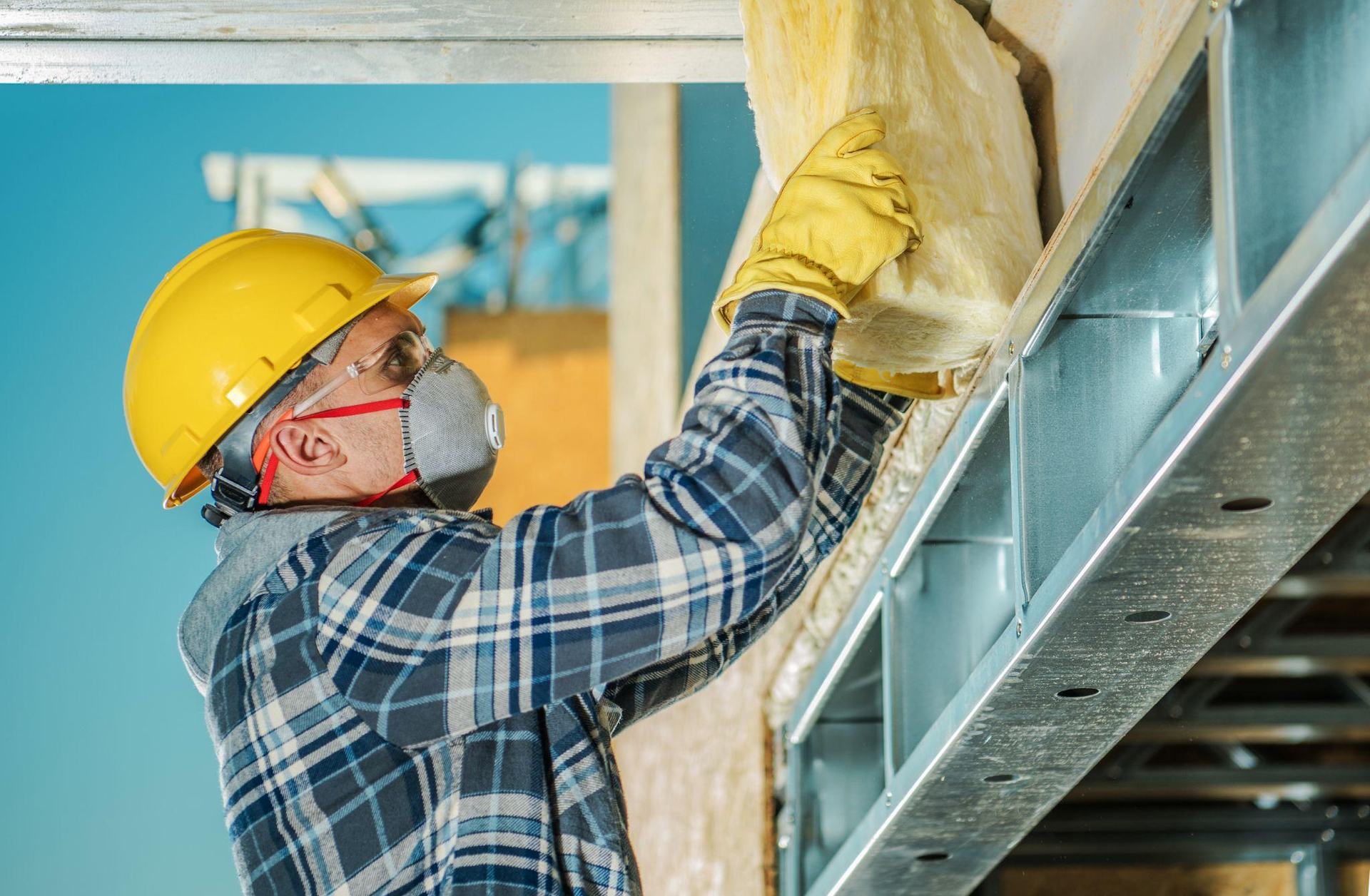
Discover common reasons moisture builds behind commercial drywall and how commercial insulation services in Madison can help prevent issues.
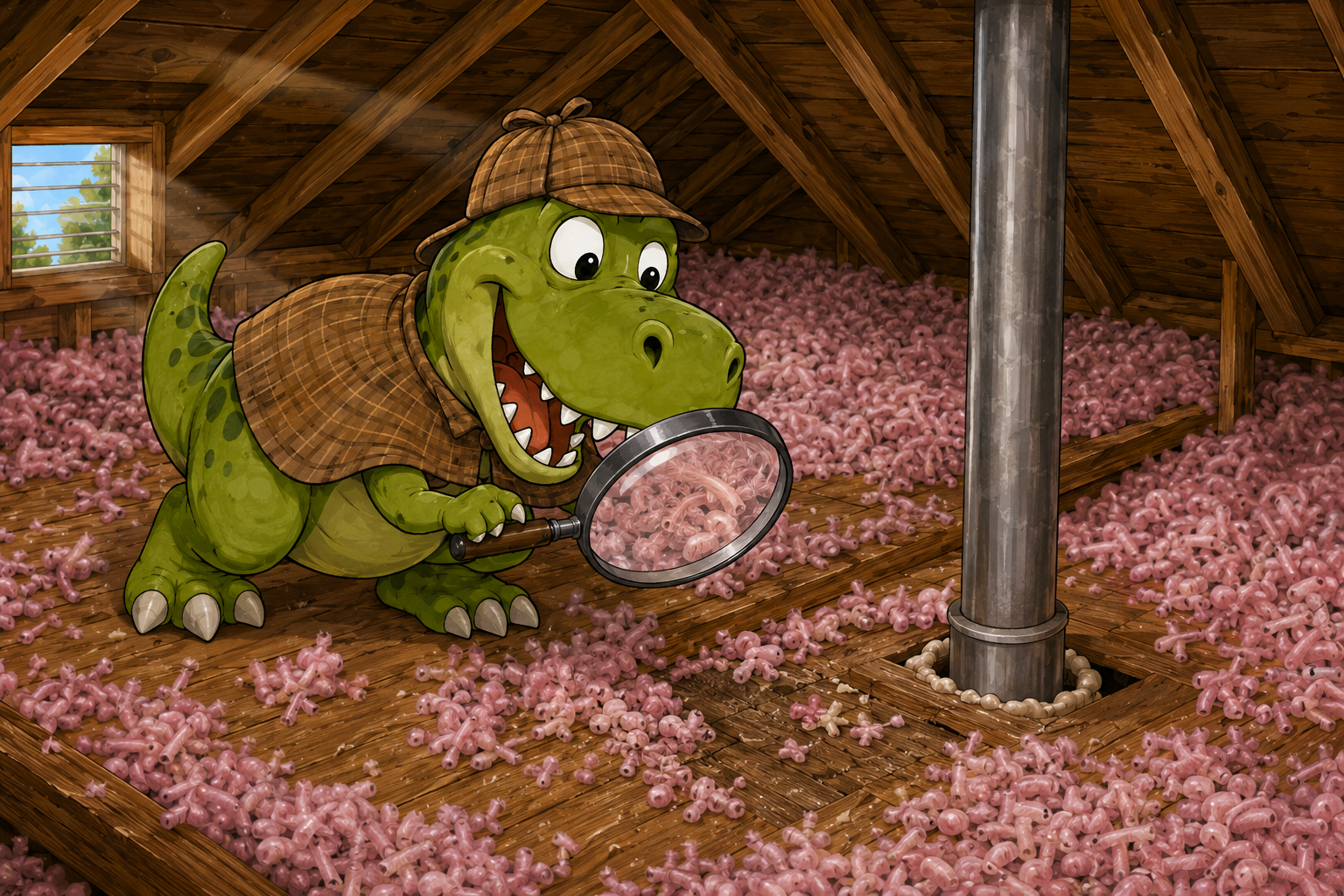
Rex Investigates: Why Does My House Feel Cold?
Rex Asks: Can Insulation be Added on Top of Insulation?
Rex Asks: How Much Insulation is Enough?
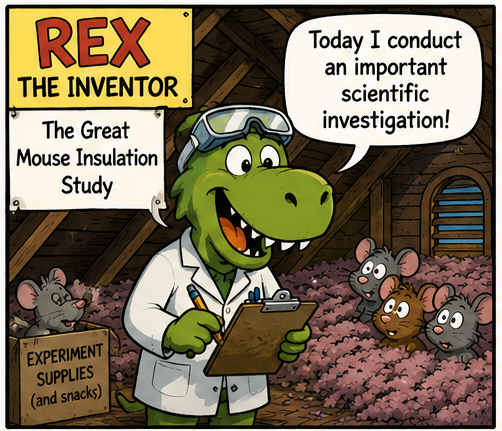
Rex Investigates Which is Better insulation
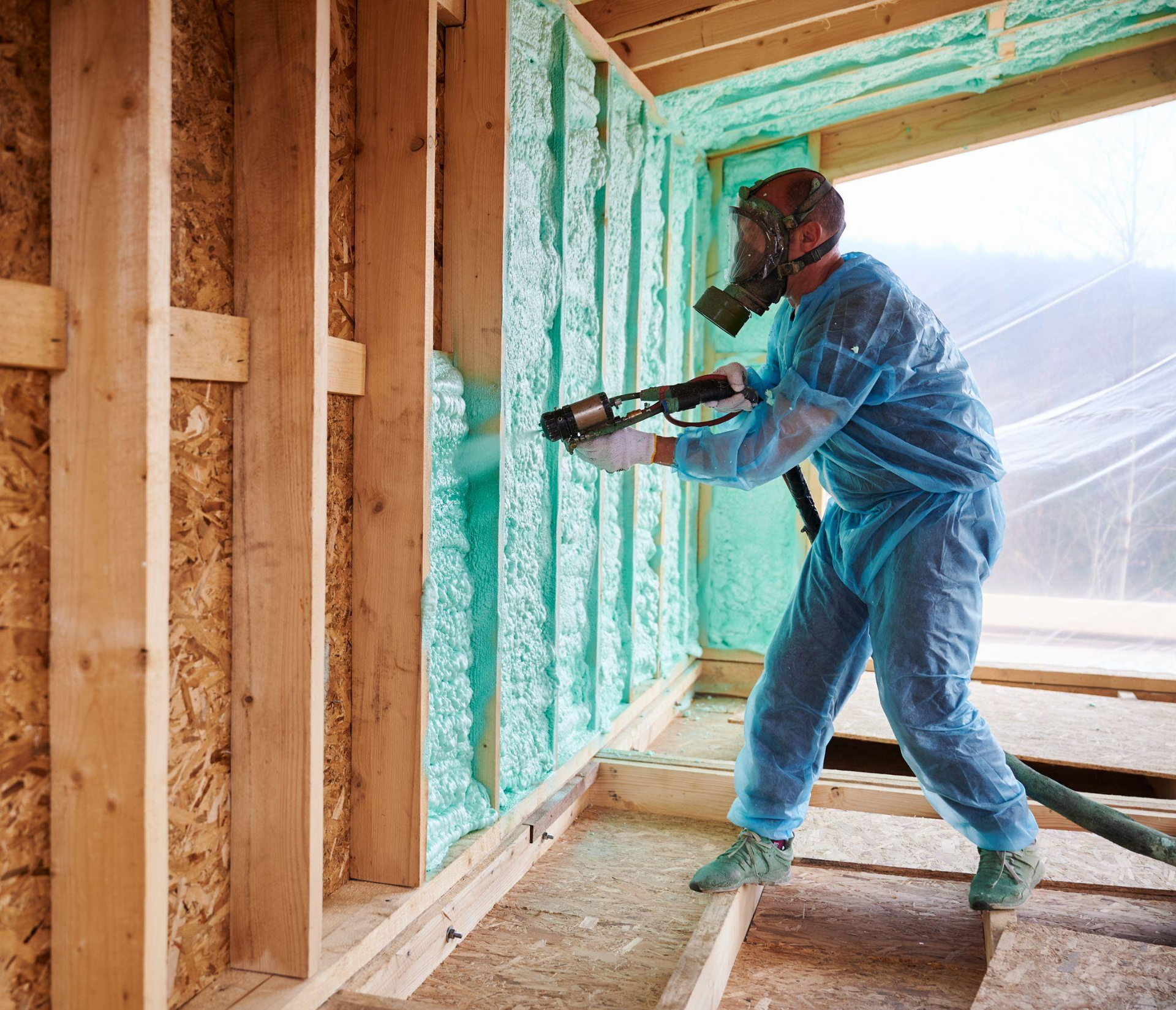
Still drafty after an HVAC tune-up? Explore Air Sealing Services in Madison with Duerst Insulation Technicians and request a free home estimate.
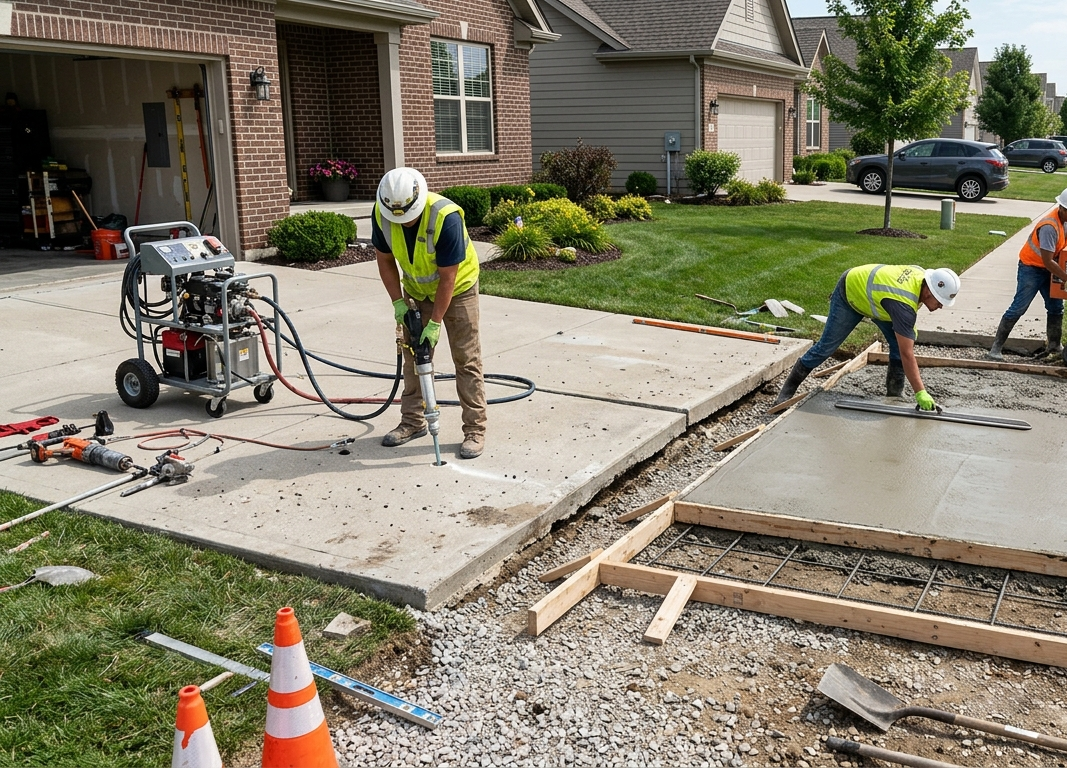
Ask a Concrete Lifting Contractor in Madison if your sunken slab can be repaired before replacement. Contact Duerst for a free estimate today.
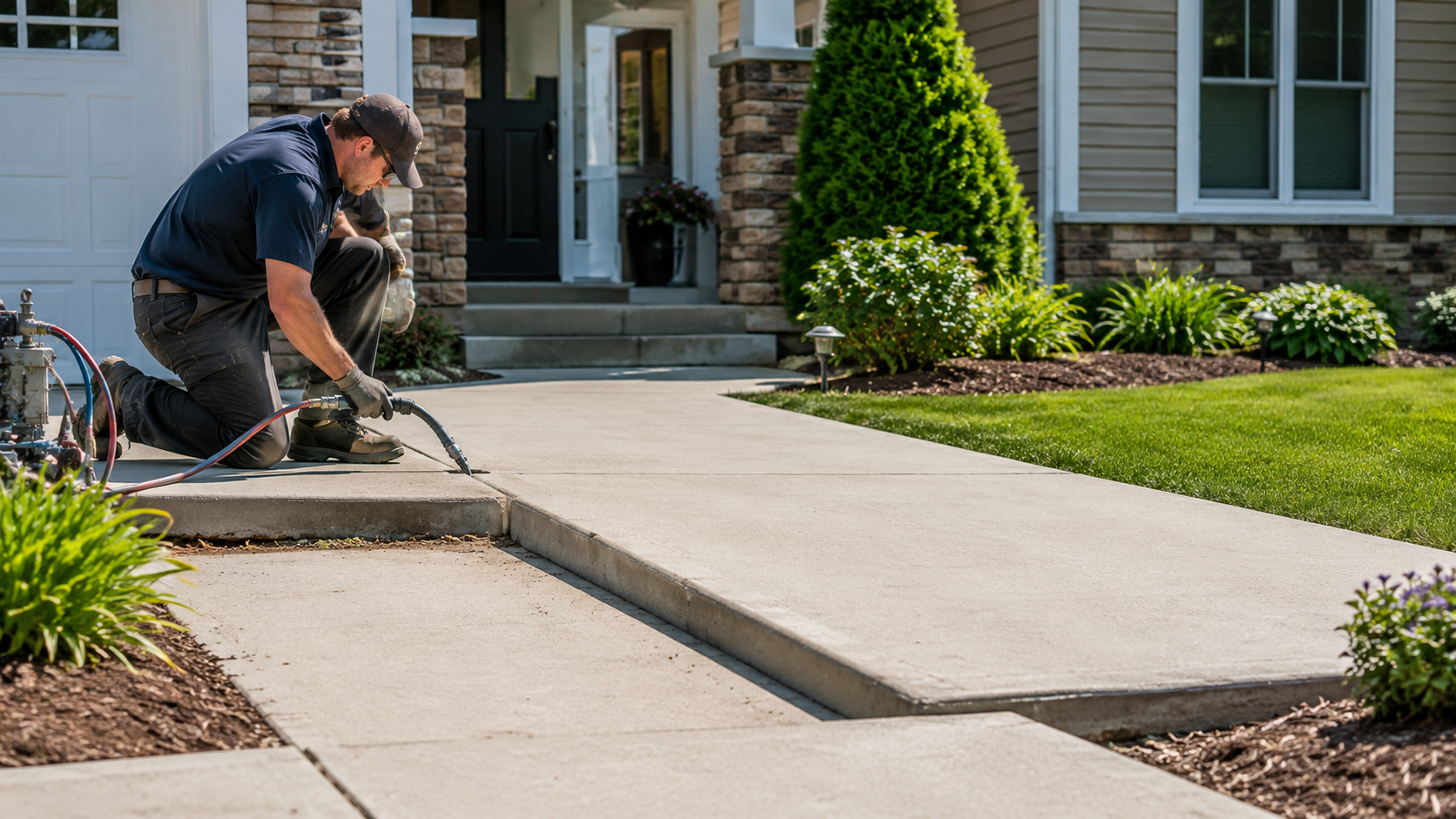
Learn how long concrete lifting lasts and what keeps slabs stable for years. Duerst Insulation Technicians helps ensure durable, lasting results.
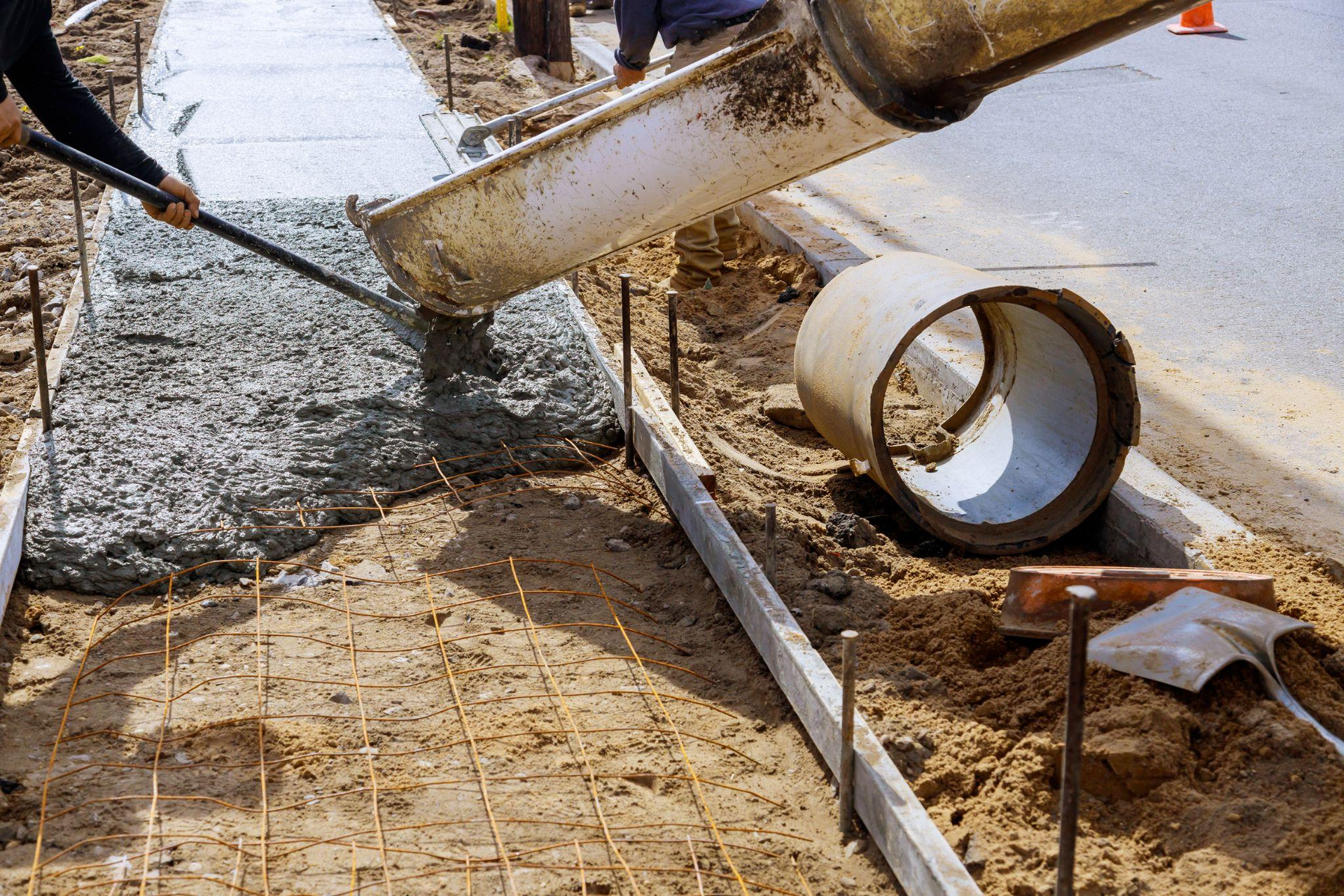
Fix uneven concrete before trips and falls happen. Duerst Insulation Technicians helps restore safer walkways and driveways quickly for families daily.
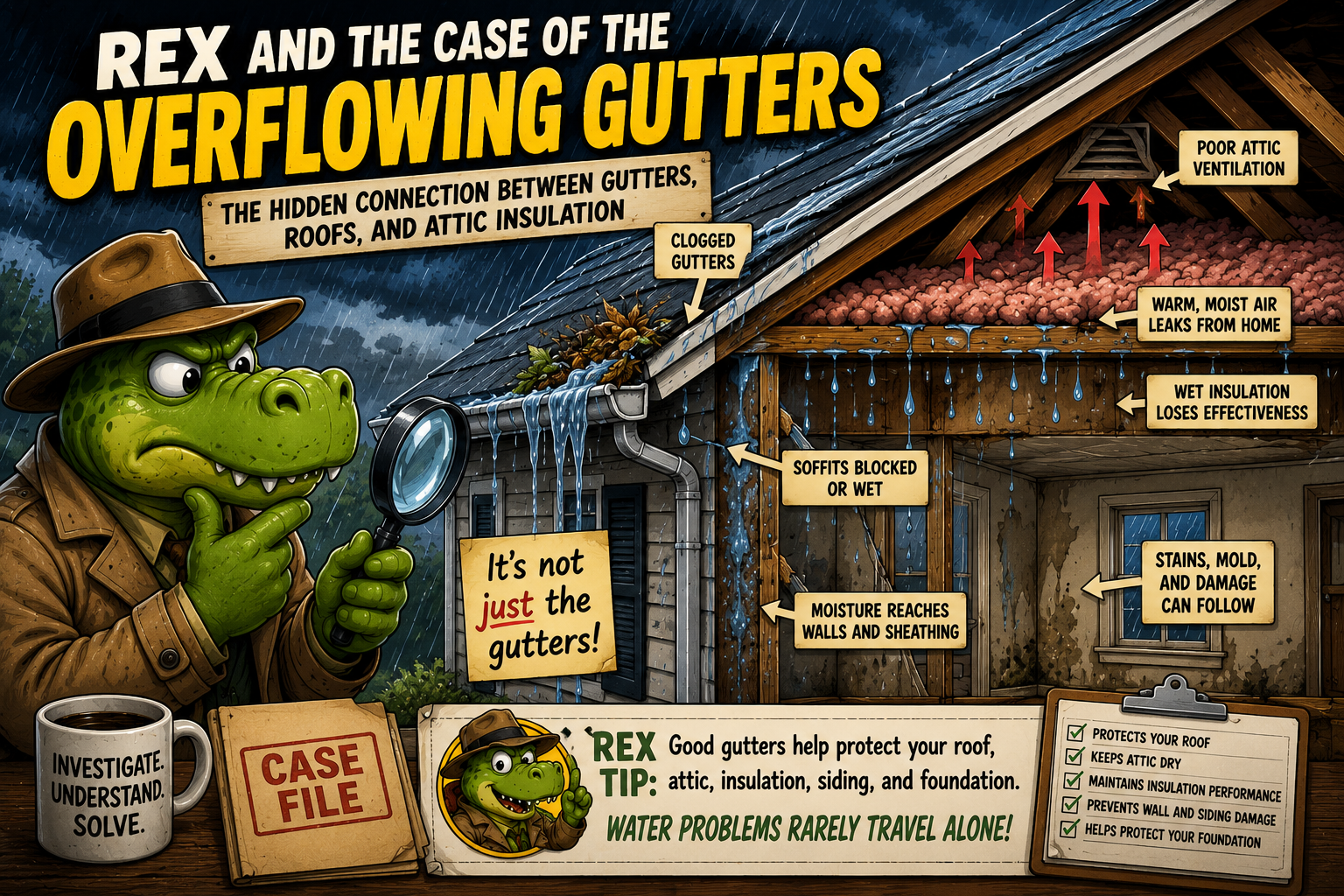
The Hidden Connection Between Gutters and Attics
