Building a new home is exciting. Floor plans, finishes, paint colors… it all comes together fast.
But there’s one part of the house you won’t see when it’s done—and it might be the most important:
How well it’s sealed and insulated.
Because once the drywall goes up, your options shrink. A lot.
Code Minimum ≠ Comfort Maximum
Most new homes are built to meet code. That’s the requirement.
But code is a baseline—not a performance goal.
A house built to minimum code can still have:
- Drafty rooms
- Uneven temperatures
- Higher energy bills than expected
- Ice dams (yes, even in a brand-new home)
If you’re building from scratch, this is your chance to go from “meets code” to “built right.”
Air Sealing Comes First (Always)
Before insulation goes in, the house should be sealed.
That means closing the hidden gaps where air sneaks in and out:
- Top plates (attic side)
- Wire and plumbing penetrations
- Around windows and doors
- Rim joists / box sills
Think of it this way:
Insulation slows heat.
Air sealing stops air.
If air is moving, insulation can’t do its job properly.
The Attic: Your Biggest Opportunity
In southern Wisconsin, the attic is usually the #1 place to get it right.
A well-done attic should include:
- Thorough air sealing at the ceiling plane
- Proper ventilation (balanced intake and exhaust)
- Adequate insulation depth (often beyond code)
Skipping any one of these can lead to:
- Heat loss
- Moisture issues
- Ice dams in winter
- Hot upper floors in summer
Don’t Ignore the Box Sills
Box sills (rim joists) are one of the most overlooked areas in new construction.
They’re also:
- A major source of air leakage
- A cold spot in winter
- Often under-insulated or poorly sealed
A small investment here makes a noticeable difference in comfort—especially on those January mornings.
Choosing Insulation Materials
There’s no one-size-fits-all answer, but here’s the quick breakdown:
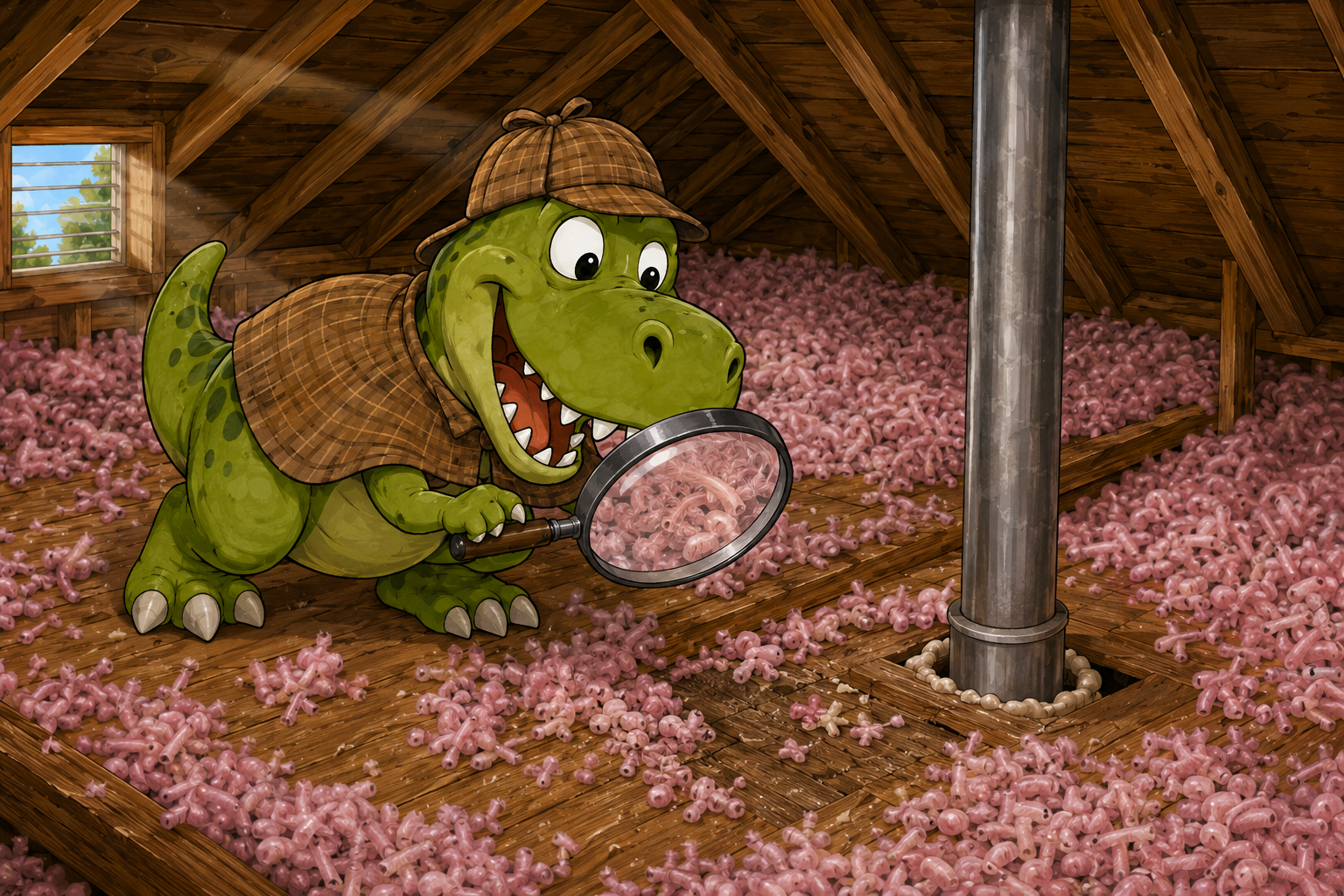
- Cellulose (blown or dense-pack)
Great for attics and walls. Cost-effective, solid performance. - Spray foam (open or closed cell)
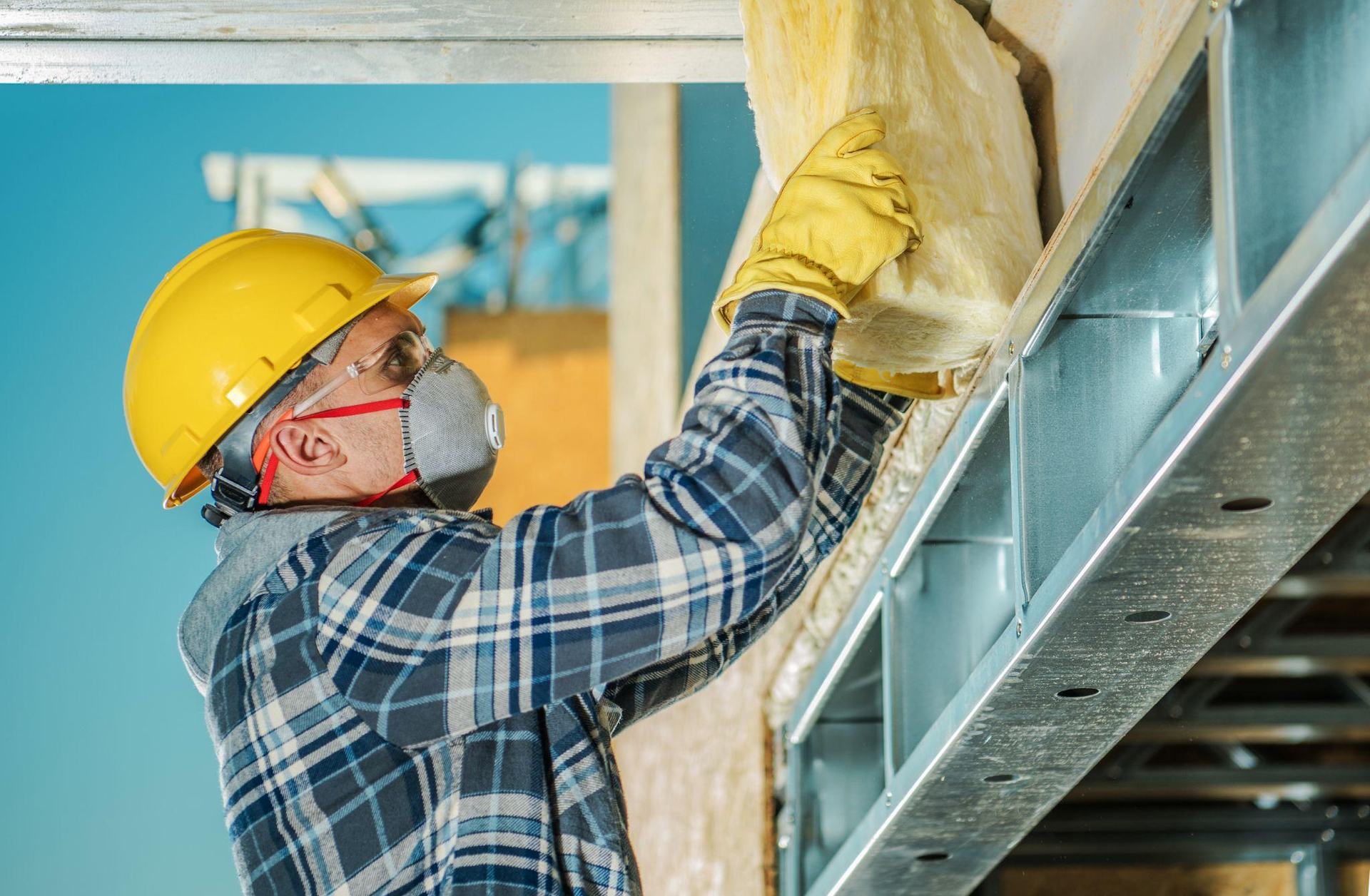
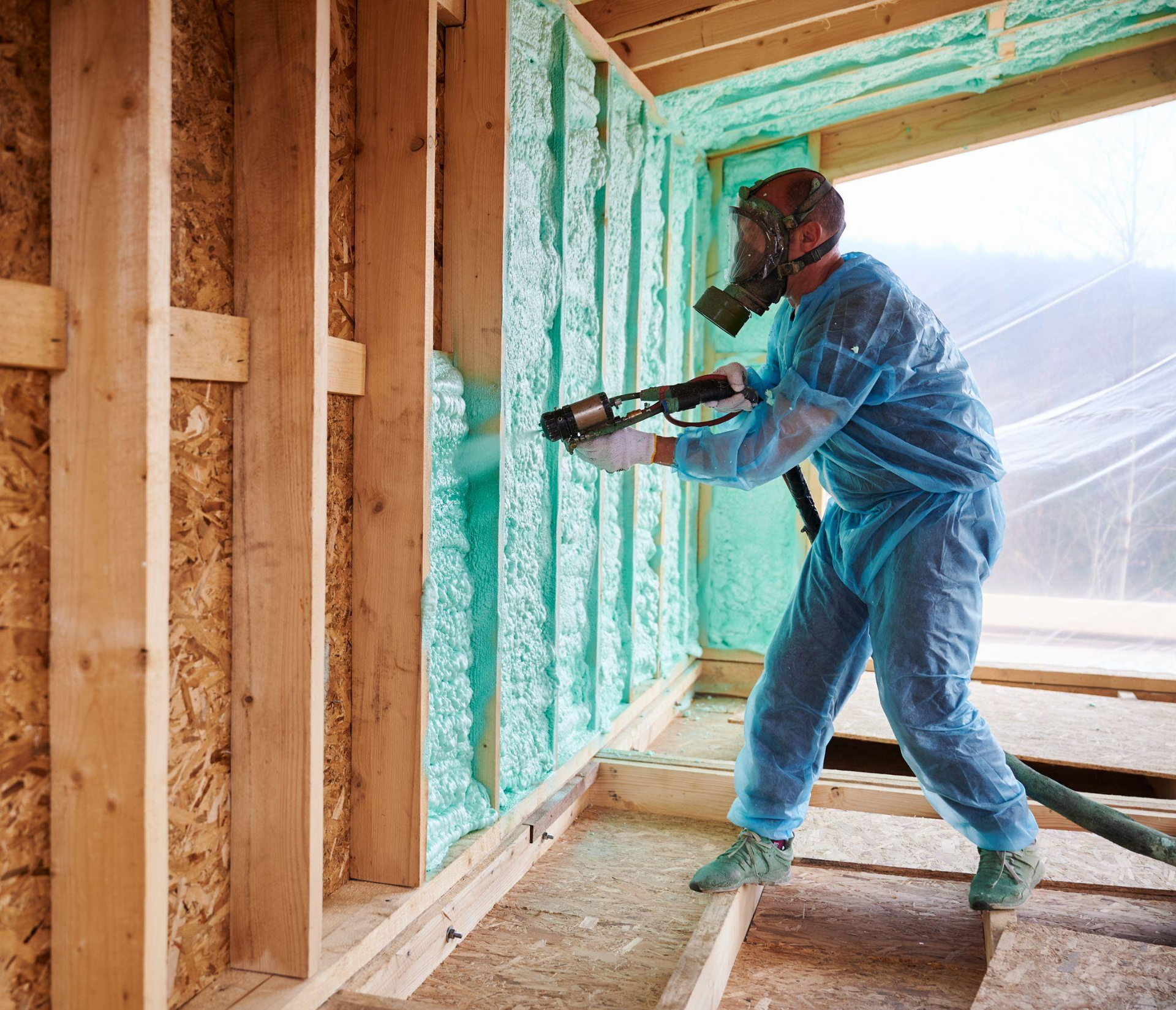
Excellent air sealing + insulation in one step. Higher cost, but powerful in the right locations (rim joists, complex areas). - Fiberglass
Works when installed perfectly… which is less common than you’d hope.
The best approach is usually a
combination, not a single product everywhere.
Plan It Early—or Pay for It Later
Once drywall is up:
- Air sealing becomes difficult or impossible in some areas
- Fixes become expensive
- Comfort issues become permanent (or at least persistent)
Planning ahead lets you:
- Seal everything properly
- Choose the right materials
- Avoid costly upgrades later
Final Thought
If you’re building and want a second set of eyes before insulation goes in, we’re happy to take a look.
You’re already making a big investment. A little extra planning for insulation and air sealing won’t change how your house looks—but it will absolutely change how it feels.
Warmer in winter. Cooler in summer. And a lot less money escaping through the cracks.