Winter in
Madison has a way of finding the weakest spot in your home—and surprisingly often, that spot is your
box sill.
Never heard of it? You’re not alone. But if your floors felt cold this winter, your box sills may have been quietly working against you.
Winter’s Over… So Why Does This Matter Now?
Fair question.
If the cold weather is behind us, why worry about box sills?
Because
spring is when your home tells you what just happened.
During winter, your house was under pressure:
- Cold air pushing in
- Warm air leaking out
- Moisture building in hidden areas
Now that things have thawed out, you can actually see the results:
- Cold floors you noticed all winter
- Drafts that didn’t make sense
- Higher-than-expected energy bills
And here’s the key:
👉
The problems didn’t go away—only the symptoms did.
What Is a Box Sill?
The box sill (also called the rim joist) sits right on top of your foundation and supports the floor above.
Translation:
👉 It’s the seam where your house meets the outside world.
And unfortunately… it’s often under-insulated, poorly sealed, or both.
Why Box Sills Matter (More Than You Think)
If your home felt a little “drafty” this winter, this is one of the first places to check.
Common issues include:
- Cold air leaking in along the rim
- Fiberglass insulation that doesn’t stop airflow
- Small gaps that add up to big heat loss
It doesn’t take much. A few unsealed areas can make an entire floor feel cold.
Quick DIY Check (No Tools Required)
You don’t need special equipment—just a few minutes and maybe a flashlight.
Take a look and see if you notice:
- Insulation that looks thin, uneven, or falling out
- Exposed wood or visible gaps
- Areas that feel cold to the touch
- Any signs of moisture
If you feel a draft, that’s your answer right there.
Why Fiberglass Often Falls Short Here
Fiberglass insulation can slow heat loss—but it doesn’t stop air movement.
So if air is getting in (and in Wisconsin, it usually is), fiberglass alone won’t fix the problem.
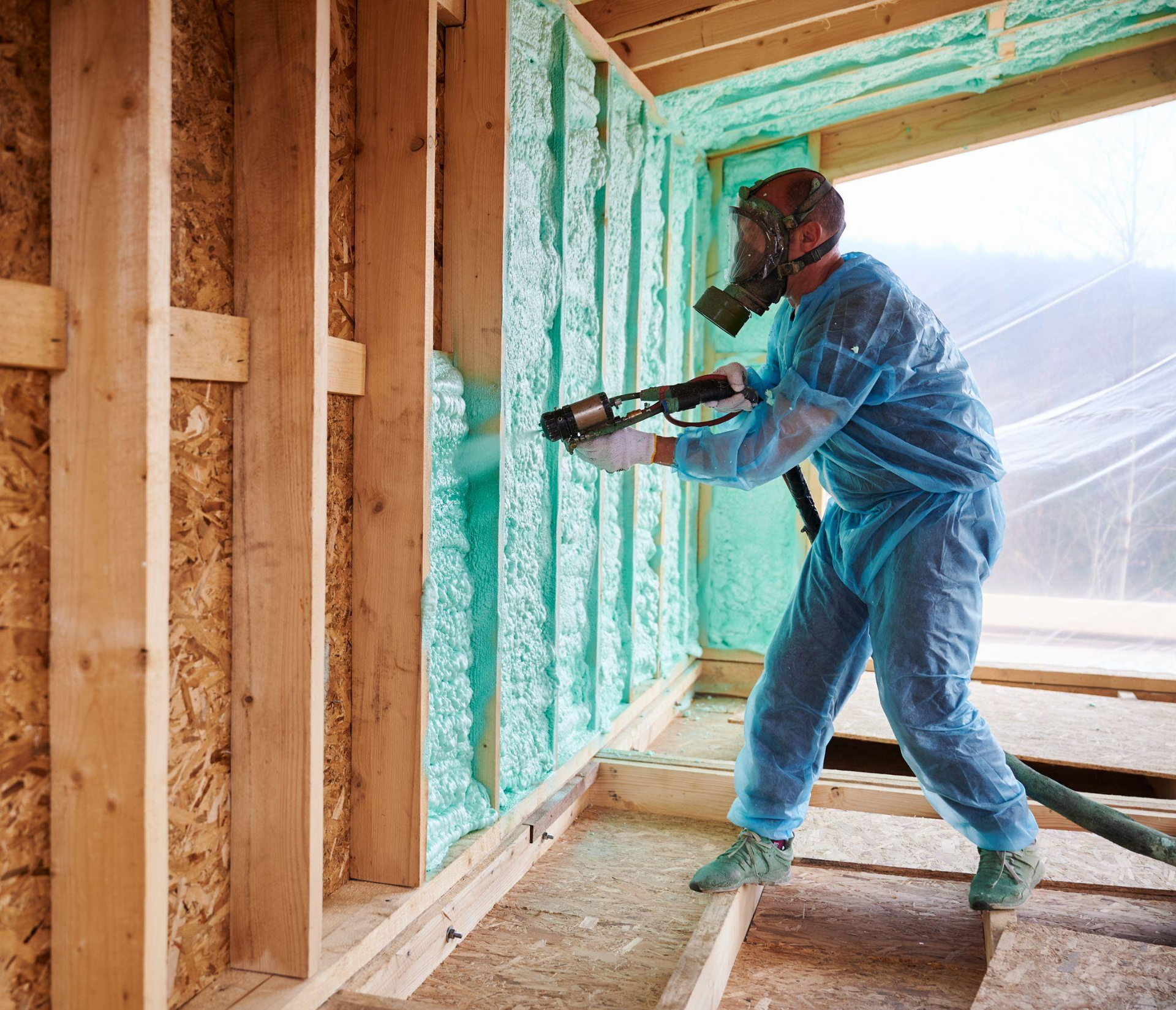
That’s why this area is one of the most common spots for
air sealing upgrades.
Not Sure What You’re Looking At? Send Us a Photo
Not every homeowner wants to crawl around the basement playing insulation detective—and that’s fair.
If you’re unsure, take a couple of photos:
- Wide shot of the box sill area
- Close-up of insulation or gaps
We’re happy to take a quick look and let you know what you’re seeing.
No pressure. Just helpful feedback.
Final Thought
Your box sills aren’t something you think about every day—but after a Wisconsin winter, they can make a big difference in how your home feels.
If your floors were cold this past winter, this is a good place to start.