🏠 A Healthy Home Isn’t Just Comfortable—It’s Personal
Here in
southern Wisconsin, we spend a lot of time indoors—especially during the long heating season. Most homeowners think about insulation in terms of comfort and energy bills.
Warm in winter. Cool in summer. Save a few bucks.
But here’s what often gets overlooked:
Poor insulation and air sealing can affect your indoor air quality—and your health.
🌬️ You Might Be Breathing Your Attic
In many Wisconsin homes, especially older ones around
Madison, Verona, and Dane County, air leaks allow attic air to enter the living space.
That air can carry:
- Dust and airborne particles
- Insulation fibers
- Mold spores
- Contaminants from animals in the attic
Not exactly what you want circulating through your home.
🐭 When the Attic Has Roommates
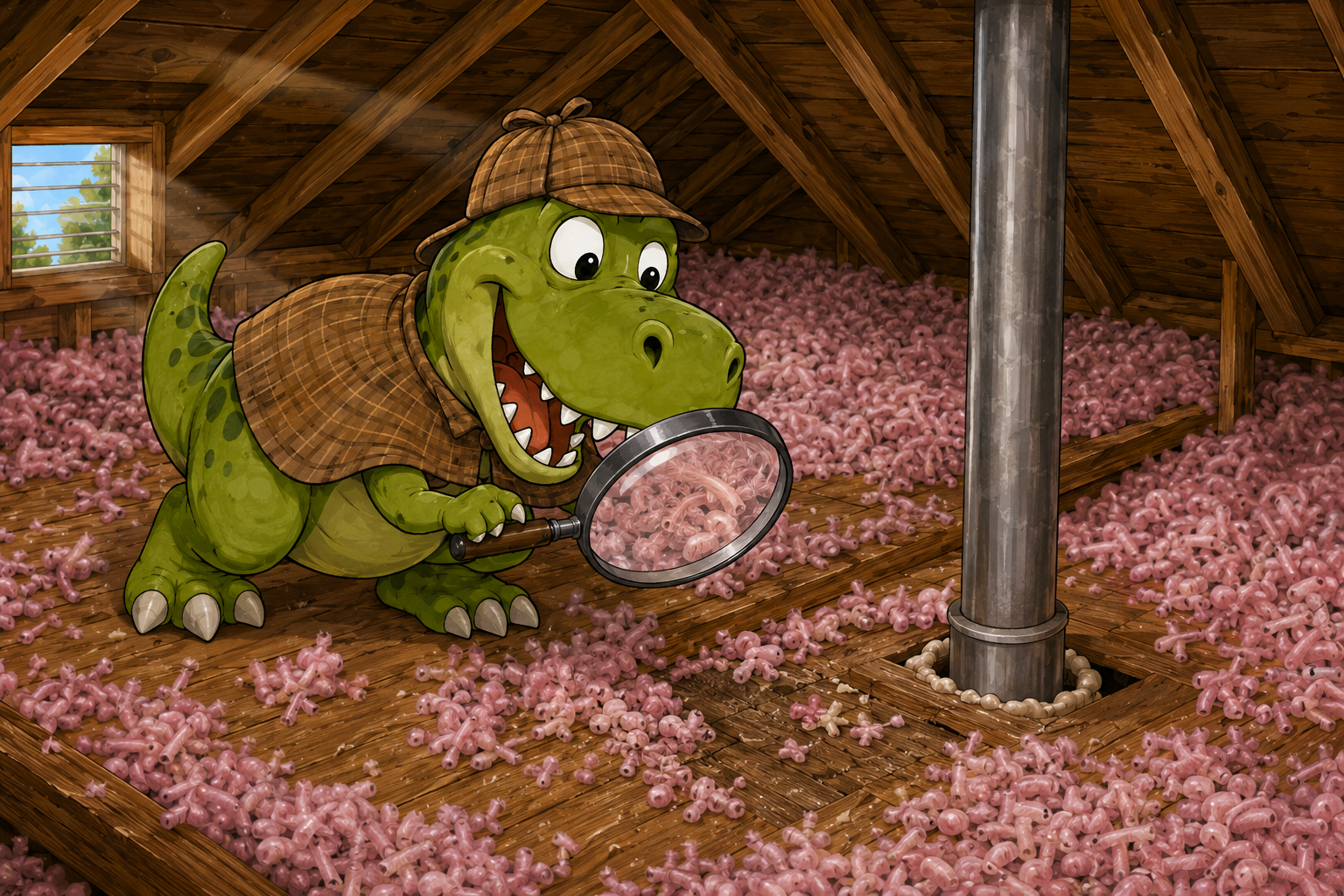
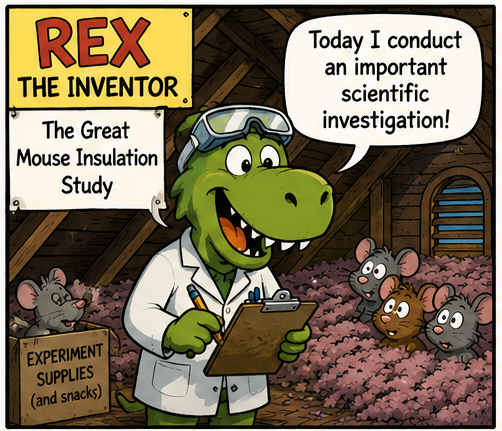
If squirrels, mice, or other critters have ever been in the attic, they leave more than just noise behind.
They leave:
- Droppings
- Dander
- Nesting debris
And in a leaky home, those particles don’t stay put.
They can move into the air you breathe every day.
💧 Moisture, Mold, and Wisconsin Winters
Cold climates like ours make this worse.
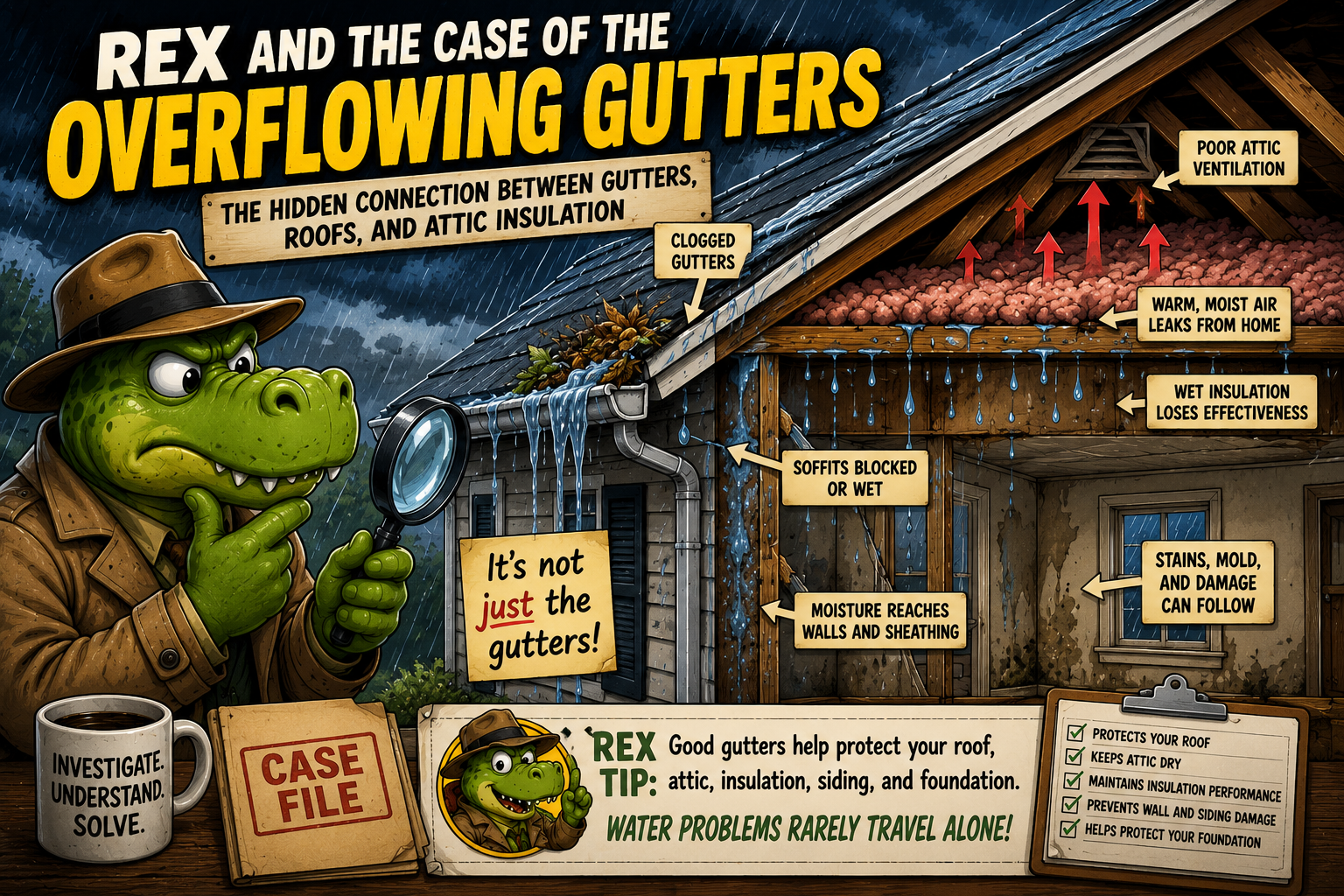
Warm indoor air leaking into a cold attic creates condensation.
Condensation can lead to mold growth—sometimes hidden, sometimes widespread.
You may never see it. But your body might notice.
🥶 “Why Does This Room Feel So Off?”
Uneven insulation and air leakage often show up as:
- Drafty rooms
- Cold spots
- Overheated upstairs spaces
Beyond comfort, this can affect:
- Sleep quality
- Daily comfort
- Overall well-being
🧠 The Symptoms People Don’t Connect
Many homeowners experience:
- Stuffy nose or dry throat
- Mild allergy symptoms
- Headaches
- Fatigue
And they never connect it to their home. But in some cases, the issue isn’t outside—it’s coming from above.
🔧 How to Improve Indoor Air Quality (and Comfort)
The solution isn’t complicated, but it does need to be done right:
- Attic air sealing to stop unwanted airflow
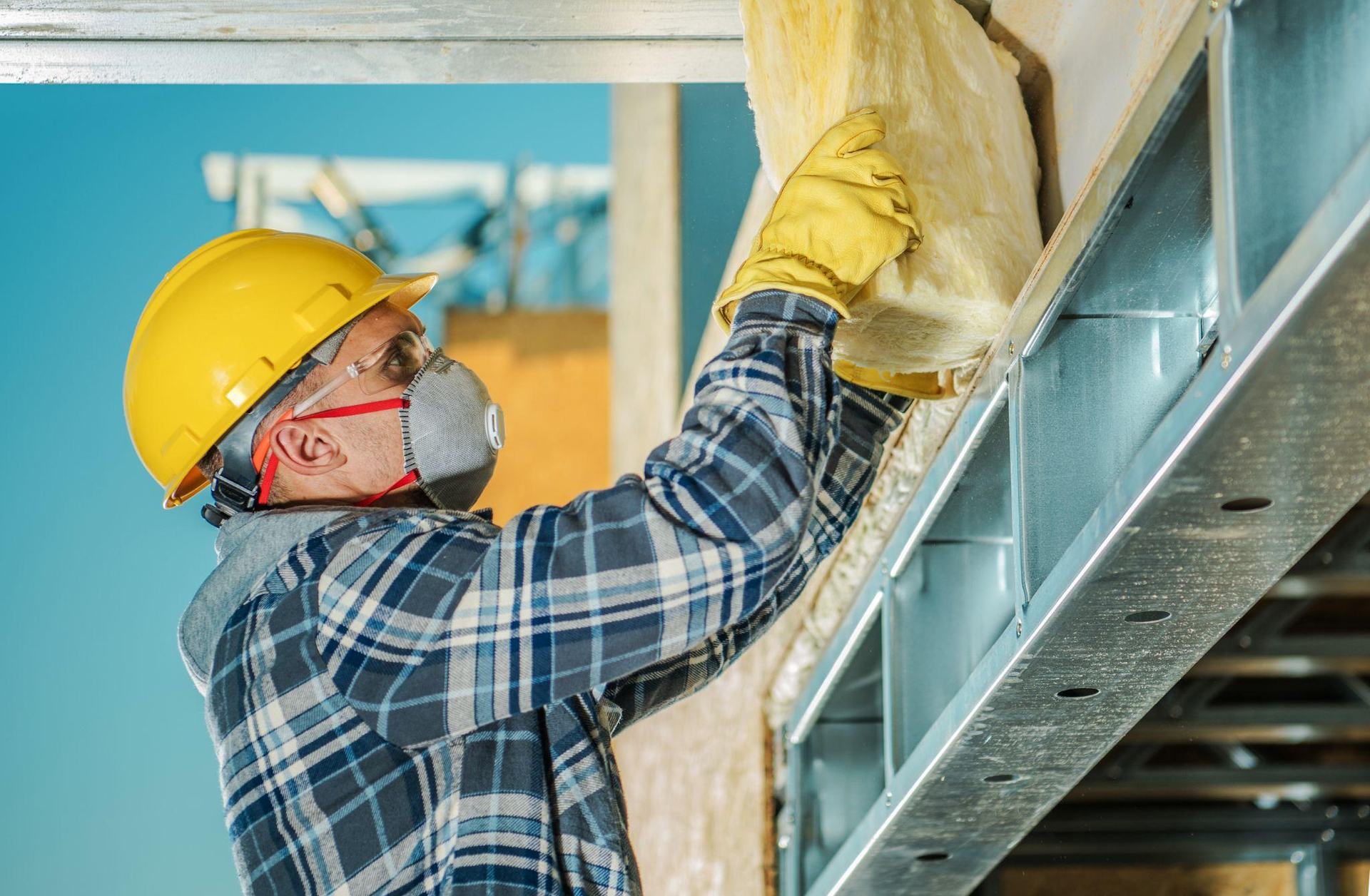
- Proper attic insulation to reduce heat loss
- Removal of contaminated insulation (if animals were present)
- Controlled ventilation, not random air leaks
These improvements don’t just make your home more efficient—they make it healthier.
🧩 In Wisconsin, your attic shouldn’t be part of your HVAC system—but in a leaky home, it often is.