Does Your House Leak?

Lee Duerst • April 29, 2026

The Hidden Air Leaks in Your Home

In a previous post, we wrote about houses that are too tight, ventilating poorly and creating problems. A house that’s too tight holds everything in—including stale air and moisture.

Conversely, a house that’s too loose leaks air everywhere—your warmed air sneaks out during winter months and cooled air escapes in the summer.

Comfort is hard to maintain in either case.

When people think about making their home more comfortable, they usually think about insulation.

That makes sense.

But here’s the catch:

Insulation slows heat down.
Air leaks carry it away.

And air moves a lot faster than heat.

What Is an Air Leak?

An air leak is any gap, crack, or opening where air moves in or out of your house.

Not big holes. Not missing walls.

Small stuff:

  • Gaps around pipes and wires
  • Openings at the top of walls
  • Seams around attic hatches
  • Rim joists (box sills)
  • Around windows and doors

Individually? Not a big deal.
Together? It adds up fast.

Why Air Leaks Matter More Than You Think

1. They Steal Heat (and Your Money)

Warm air doesn’t just sit still—it rises and escapes.

When it does:

  • Cold air gets pulled in to replace it
  • Your heating system works harder
  • Your energy bills go up

You’re not just heating your house… you’re heating the outdoors.

2. They Make Rooms Feel Uneven

Ever notice:

  • One room is fine
  • Another is always cold

That’s often not insulation. It’s air movement.

Air leaks create:

  • Drafts
  • Cold floors
  • Temperature swings

3. They Bring in Outside Air From the Wrong Places

When air leaves, it has to be replaced.

The house doesn’t care where it comes from.

It might pull air from:

  • The attic
  • The basement
  • The garage

Not exactly the cleanest or most comfortable sources.

4. They Carry Moisture With Them

Air doesn’t move alone—it carries moisture.

That can lead to:

  • Condensation
  • Mold
  • Attic moisture problems

This is where “comfort issue” becomes “house problem.”

Where Air Leaks Usually Happen

This is the part most people never see.

Common trouble spots:

  • Attic floor (top plates, penetrations)
  • Box sills / rim joists
  • Around chimneys and flues
  • Recessed lights
  • Plumbing and electrical penetrations

These are the areas that make the biggest difference when sealed.

The Big Misunderstanding
“I need more insulation.”

Sometimes true.

But often:

The insulation is there—the air is just going around it.

What Actually Fixes the Problem?

Not just insulation.

👉 Air sealing first, insulation second

That means:

  • Sealing gaps and penetrations
  • Blocking airflow pathways
  • Then insulating to hold the heat in place

The Bottom Line

If your house feels:

  • Drafty
  • Uneven
  • Hard to keep comfortable

There’s a good chance air leakage is part of the problem.

And the fix isn’t always adding more insulation.

Sometimes it’s stopping the air from moving in the first place.

Call to Action

Not sure where your house is leaking?

That’s normal—you usually can’t see it.

But you can feel the results.

Reach out or send a few photos—we’ll help you figure out where the problem is and what’s worth fixing.


By Lee Duerst April 29, 2026
Gas Fireplaces: Convenience with Tradeoffs
By Lee Duerst April 29, 2026
Keep the Feature – Lose the Leak In previous posts, we established a few things: Fireplaces look great They’re not exactly energy all-stars And sometimes… they’re quietly working against your heating system But this isn’t a “never use your fireplace again” speech. It’s about using it smarter . Start With the Simplest Fix: Close the Damper Let’s begin with the obvious—because it’s often overlooked. Make sure the damper is fully closed when the fireplace isn’t in use Check it occasionally—it doesn’t always seal as tightly as you think A damper is better than nothing… …but it’s not an airtight solution. Think of it more like “slowing the leak” than “stopping it.” Take It a Step Further: Seal the Chimney When Not in Use If you rarely use your fireplace, this is where real improvement happens. Options include: Chimney balloons or plugs Top-sealing dampers (installed at the chimney cap) These: Block airflow more effectively Reduce heat loss significantly Help keep cold air from dropping into the house Just one rule: If you seal it—make sure you remove it before using the fireplace. (That’s a bad day otherwise.) Glass Doors: Helpful, With Limits Glass doors can: Reduce the amount of warm air pulled out of the house Improve safety (sparks, pets, kids) But they: Don’t make a fireplace “efficient” Don’t fully stop air movement Good upgrade—just don’t expect miracles. If You Use It Often, Use It Wisely For those who actually burn wood regularly: Burn dry, seasoned wood Use smaller, controlled fires Close the damper once the fire is completely out Avoid leaving it open overnight “just in case” And remember: Most traditional fireplaces still lose more heat than they produce. (Yes… even when they feel warm sitting right in front of them.) Consider an Upgrade (If It’s More Than Occasional Use) If the fireplace is part of your routine, not just a holiday guest appearance: You might look at: Fireplace inserts Sealed combustion units These: Burn more efficiently Reduce air loss Actually contribute to heating the space Now you’re moving from “ambiance” to “appliance.” Or… Rethink the Role Entirely If the fireplace isn’t used much: Seal it properly Turn it into a design feature Think: Artwork Plants Decorative logs or candles You keep the character… without the energy penalty. The Bottom Line A fireplace doesn’t have to be a problem. But left alone, it often is. The goal isn’t to get rid of it— it’s to decide what role it plays in your home. Occasional use → manage the airflow Frequent use → improve the system No use → seal it and enjoy the look Final Thought Fireplaces are great at creating atmosphere. Just don’t let them quietly heat the outdoors while you’re paying the bill. Thinking about a gas fireplace? Check out the pros and cons in this post .
By Lee Duerst April 29, 2026
Why using a fireplace can actually make your house colder.
By SEO Marketing Team April 29, 2026
How an unused fireplace quietly increases your heating bill.
By Lee Duerst April 29, 2026
🔥 If you’re not using it, your house still is.
By Lee Duerst April 29, 2026
Tight Isn’t Enough: Why Ventilation Matters
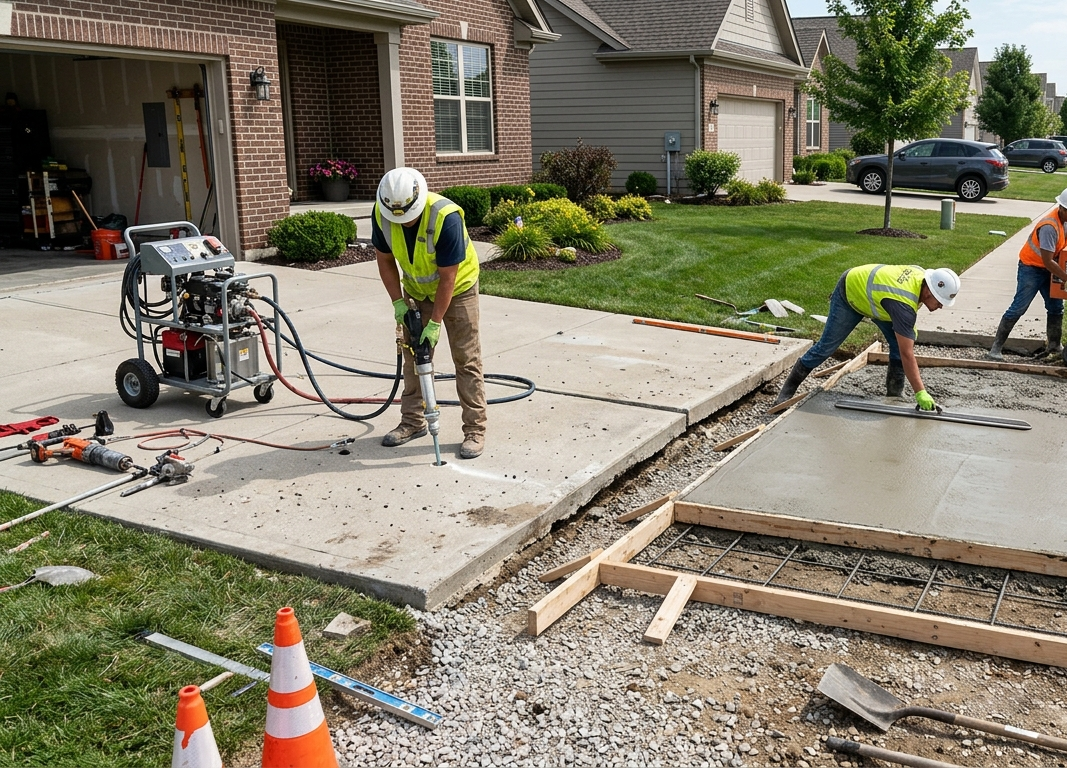
What is Concrete Lifting: Mudjacking vs. Polyurethane Foam Injection Explained
April 21, 2026
Learn how a concrete lifting contractor in Madison uses mudjacking or foam injection to level slabs and fix sinking concrete.
What Insulation Contractors Want Homeowners to Know
April 21, 2026
What do Insulation Contractors in Madison wish every homeowner knew? The answer could save you money and keep your home cozy.
By Lee Duerst April 21, 2026
Planning Insulation & Air Sealing for a New Home
By Lee Duerst April 18, 2026
Check Your Box Sills.
Show More