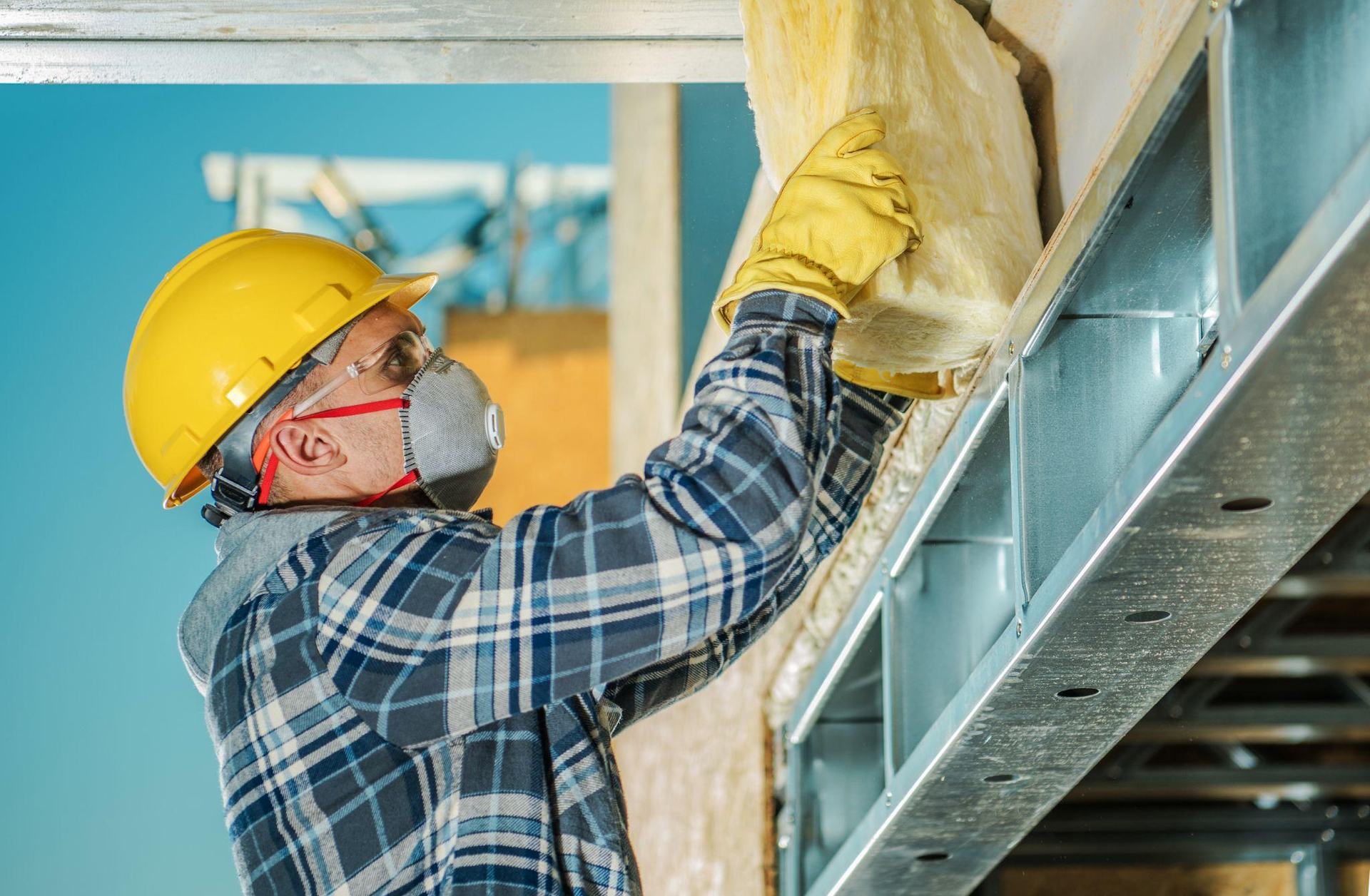
You’ve probably heard that sealing up your home is a good thing—and it is.
Less air leakage means:
- Lower energy bills
- More consistent temperatures
- Fewer drafts
But there’s a catch.
A house can be
tight enough that it stops “breathing” properly—and when that happens, comfort and air quality can start to slide in the wrong direction.
So how do you know where your house stands?
A Quick Reality Check
Here’s a simple checklist. No tools. No testing equipment. Just what you’re seeing and feeling in your home every day.
Air Quality & “Feel”
- ☐ The air feels stuffy or stale, especially in winter
- ☐ You crack windows for fresh air—even when it’s cold
- ☐ Cooking smells hang around longer than they should
- ☐ The house smells different when you come back after being gone
Moisture Clues
- ☐ Windows fog up or collect water in colder weather
- ☐ Bathroom mirrors stay foggy long after a shower
- ☐ You’ve noticed mold spots (ceilings, corners, closets)
- ☐ You’ve had attic moisture, frost, or ice dam issues
Exhaust Fans & Air Movement
- ☐ Bathroom fan doesn’t clear humidity quickly
- ☐ Kitchen hood doesn’t remove smoke or steam well
- ☐ Doors feel harder to open/close when fans are running
- ☐ You feel air being pulled in from odd places
Combustion Safety (Important)
- ☐ You have gas appliances (furnace, water heater, fireplace)
- ☐ You’ve noticed unusual odors when they run
- ☐ CO detectors are missing or haven’t been checked
Recent Upgrades
- ☐ New windows or doors installed
- ☐ Attic insulation upgraded
- ☐ Air sealing work completed
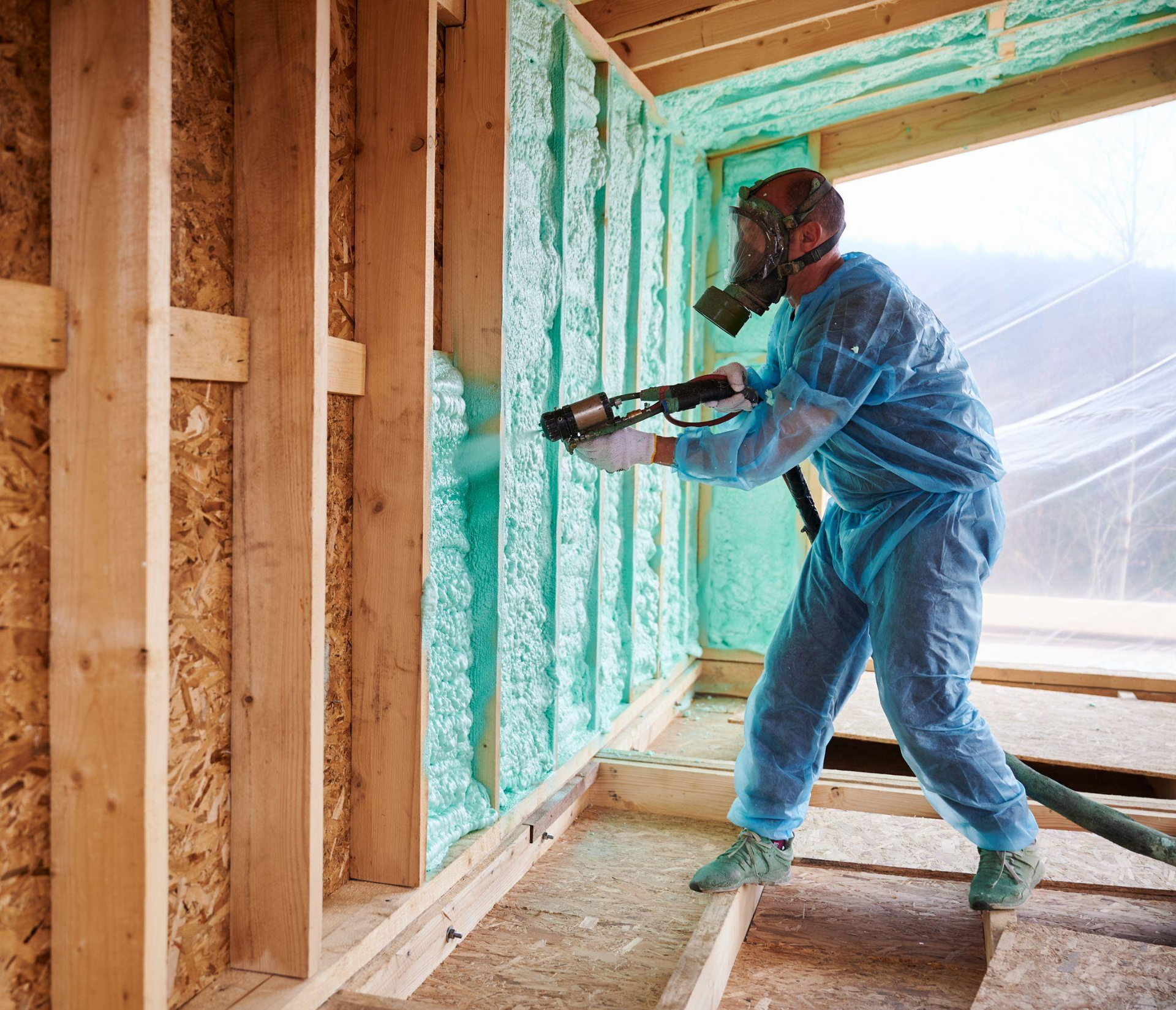
- ☐ Spray foam added
(In other words—your house may be tighter than it used to be.)
What Your Answers Mean
0–2 “Yes”
Your house is likely still leaky enough to self-ventilate (not ideal, but common).
3–5 “Yes”
You’re in the gray zone—comfort and moisture issues may start showing up.
6+ “Yes”
Your house is likely tight and under-ventilated. This is where a planned ventilation strategy makes a real difference.
The Bottom Line
A leaky house ventilates itself… poorly.
A tight house needs to ventilate… on purpose.
That’s where solutions like better exhaust use—or systems like an
HRV (Heat Recovery Ventilator) or
ERV (Energy Recovery Ventilator)
come into play.
Simple Takeaway
If your house feels:
- Tight
- A little stale
- Slightly damp
…it’s not necessarily a problem with insulation.
It’s usually a sign the house just isn’t breathing the right way.
Not sure what you’re seeing?
Send a few photos or describe what’s going on—we’ll help you sort out whether it’s insulation, air sealing, or ventilation.