In a
previous post, we noted that fiberglass insulation is familiar to most homeowners because it has been used in houses for decades. But another material—cellulose insulation—has become increasingly common, especially in retrofit and energy-upgrade work.
Why?
Because cellulose behaves differently.
It does more than simply slow heat flow. In many homes, especially older homes, it can also help reduce air movement through the insulation itself. That can make a noticeable difference in comfort during a Wisconsin winter.
What Is Cellulose Insulation?
Cellulose insulation is made primarily from recycled paper products, usually newsprint, that are treated with borate compounds for:
- fire resistance,
- mold resistance,
- and pest resistance.
It is commonly installed as:
- blown attic insulation,
- dense-packed wall insulation,
- or insulation for floor and ceiling cavities.
Despite being paper-based, properly manufactured cellulose is designed specifically for building use and has been used successfully for decades.
Why Many Contractors Like It
One of cellulose’s biggest advantages is density.
Compared to fiberglass, cellulose is:
- heavier,
- denser,
- and less air permeable.
That matters because insulation works best when air stays still.
In colder climates, lightweight insulation can sometimes allow small air currents to develop within the insulation layer itself. Cellulose helps reduce that movement, which can improve real-world performance during cold weather.
That is one reason many retrofit contractors prefer cellulose in attics.
Cellulose in Existing Attics
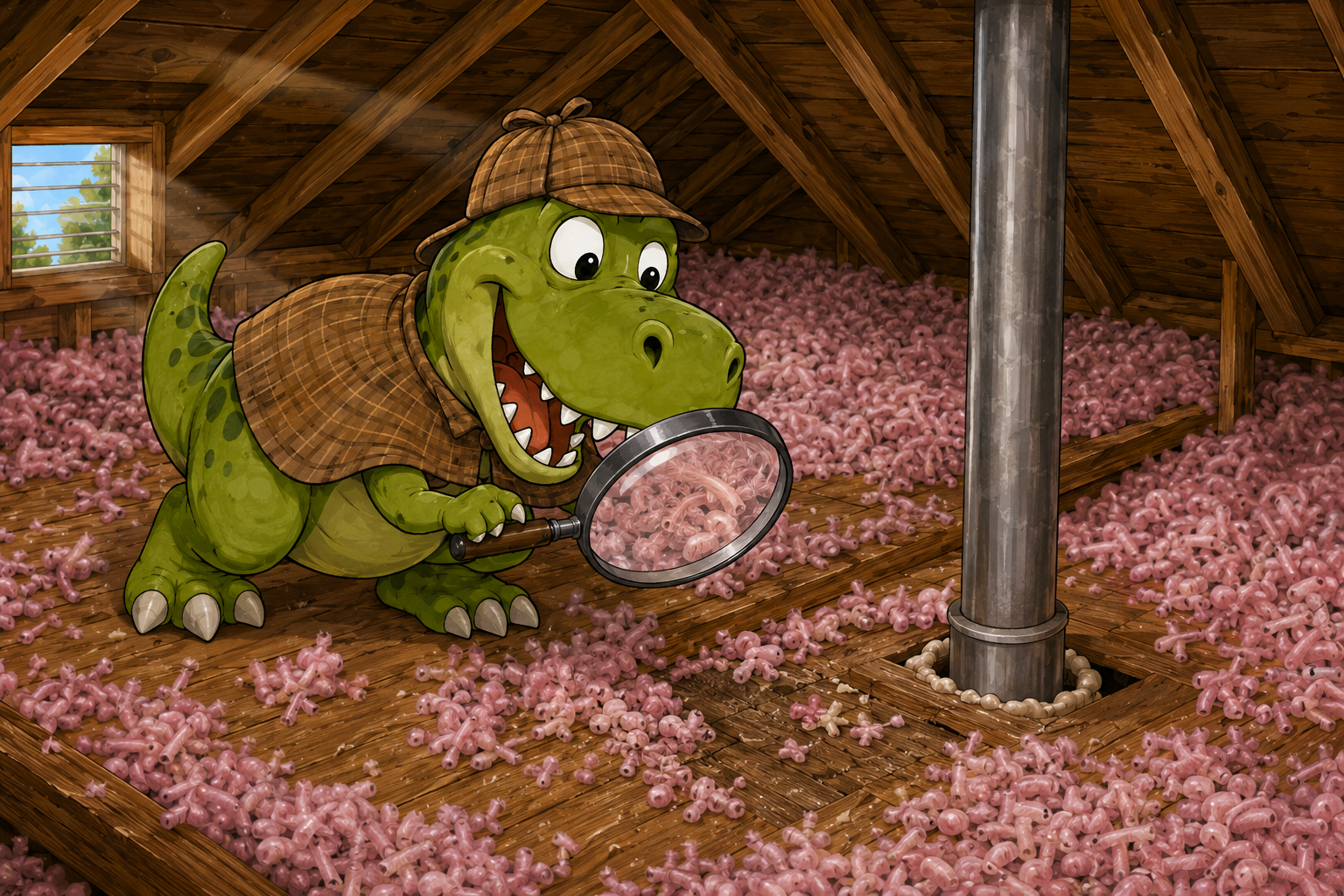
In many homes, existing fiberglass insulation is left in place and cellulose is blown over the top.
Why not remove the old insulation?
Because if the existing fiberglass is:
- dry,
- reasonably clean,
- and in decent condition,
removing it often adds expense with limited benefit.
Adding cellulose over the top can:
- increase total R-value,
- improve coverage,
- reduce convective heat loss,
- and help stabilize the insulation system overall.
This hybrid approach is common in energy retrofit work throughout cold-climate regions like Wisconsin.
Dense-Pack Wall Applications
Cellulose is also widely used in walls, especially older homes.
Dense-packed cellulose can:
- fill irregular cavities,
- reduce air movement within walls,
- and fit around wiring and pipes more effectively than batt insulation.
This can be especially useful in older homes where wall cavities are not perfectly uniform.
What About Settling?
One common question is whether cellulose settles.
Yes—some settling can occur over time, especially if installed improperly. However, modern installation methods account for this by using proper density and coverage depth.
Dense-packed wall systems are specifically installed at pressures designed to minimize settling.
Proper installation matters with any insulation material.
Moisture and Ventilation
Cellulose is sometimes criticized because it can absorb moisture more readily than fiberglass.
In reality, the larger issue is usually not the insulation itself but the attic or wall system around it.
If a home has:
- roof leaks,
- poor ventilation,
- or significant air leakage,
those problems should be corrected regardless of insulation type.
In a properly air-sealed and ventilated attic, cellulose performs very well.
An Unexpected Benefit: Sound Control
Because cellulose is denser than fiberglass, many homeowners notice improved sound reduction after installation.
Rain, wind, traffic noise, and outside sounds may become less noticeable—particularly in attic applications.
No Perfect Insulation Exists
Like every insulation material, cellulose has strengths and weaknesses.
Fiberglass, cellulose, and spray foam all have applications where they perform well.
The “best” insulation often depends on:
- the structure itself,
- budget,
- installation quality,
- and the goals of the project.
But for many retrofit situations—especially older homes in cold climates—cellulose remains a very effective and popular option.
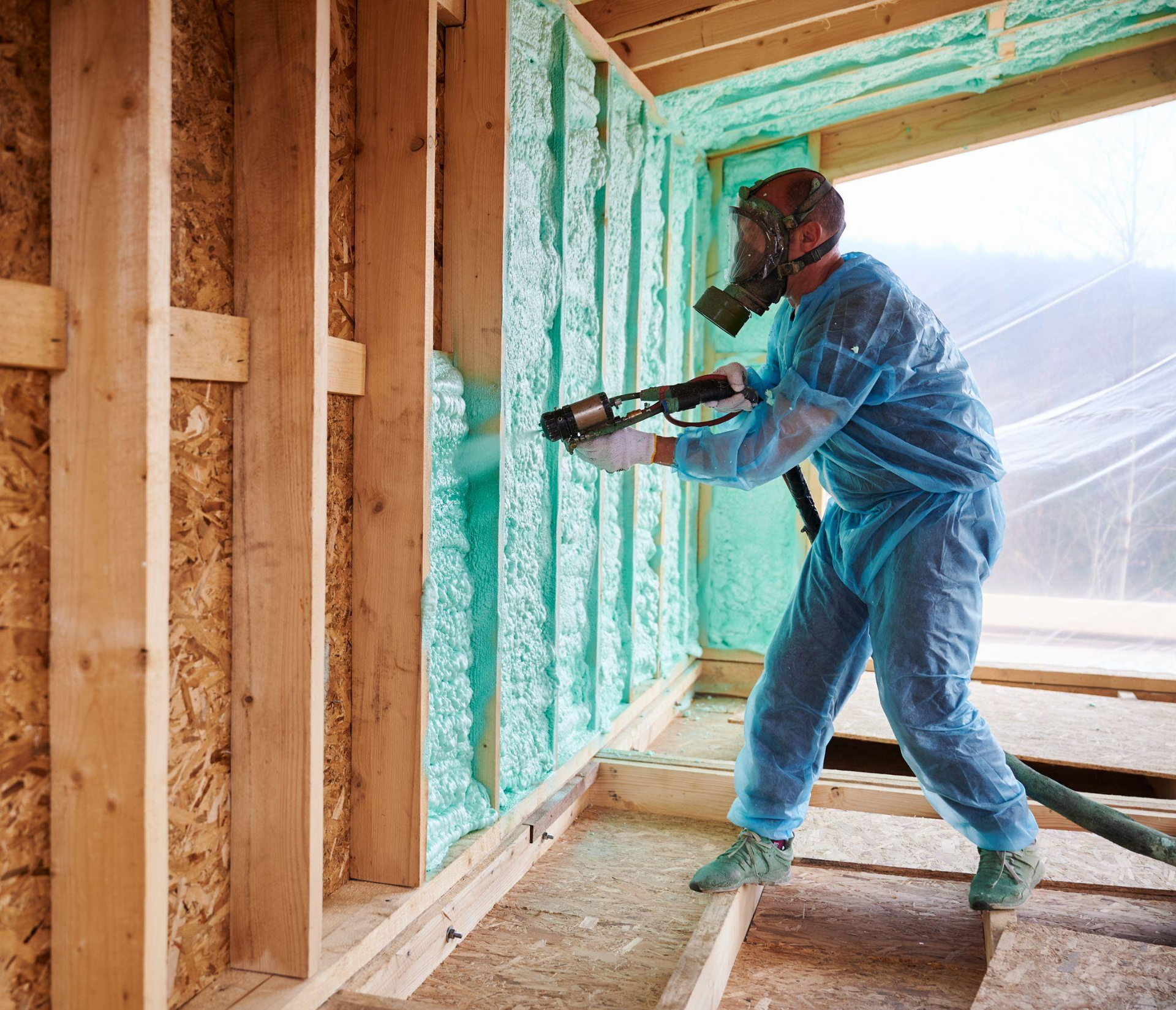
In the next post, we’ll take a look at spray foam insulation—how it works, where it excels, and why it has become one of the most discussed insulation products in the building industry.