In winter, many Wisconsin homes develop beautiful rows of sparkling icicles hanging from the roof. They look festive. They glisten in the sun. They might even make your house look like something from a holiday card.
Unfortunately, those icicles may also be quietly announcing:
“Your house is leaking heat.”
More importantly, those icicles can signal a problem that may eventually cause water damage inside your home. When ice dams form, melting snow can back up under shingles and sometimes leak into ceilings, insulation, and walls.
So while icicles may look charming, your house is not trying to decorate itself for winter. It’s trying to tell you something.
How Ice Dams Actually Form
Let’s imagine a typical Wisconsin winter. A snowstorm blankets your roof with a few inches of snow. Everything looks normal.
But underneath that snow, something interesting may be happening.
If heat from the house escapes into the attic, it warms the roof deck slightly. That warmth melts the snow sitting on the upper portions of the roof. The melted snow begins to flow downward toward the gutters.
Then it reaches the edge of the roof — the part that extends beyond the heated portion of the house. That section of roof is much colder. So the water freezes. And freezes again. Over time a ridge of ice forms along the edge of the roof. That ridge is the ice dam.
Once the dam becomes large enough, additional melting snow has nowhere to go. Water backs up behind the ice and may begin working its way under shingles.
That is when ice dams can begin causing real problems.
But Isn’t This Just an Insulation Problem?
Many homeowners assume ice dams happen simply because there is not enough insulation in the attic. Insulation is certainly part of the story, but the bigger issue in many homes is
air leakage.
Warm air from inside the house naturally rises. In winter, houses behave a bit like chimneys. Warm air moves upward and tries to escape through the ceiling into the attic.
That air often leaks through surprisingly small openings such as:
- electrical wire penetrations
- plumbing pipes
- recessed lights
- attic access hatches
- gaps along the tops of walls
Even a handful of small openings can allow a surprising amount of warm air into the attic:
- Warm attic air creates warm spots on the roof.
- Warm spots melt snow.
- Melted snow leads to ice dams.
The Icicle Clue
One of the easiest warning signs is simply looking at your roof. Large icicles hanging from gutters often indicate that snow is melting higher up on the roof and refreezing near the edge.
A few small icicles are perfectly normal. But if your house begins to resemble a frozen waterfall every winter, your attic may be losing more heat than it should. In effect, part of the warmth your furnace produces may be heating the outdoors. And you probably are not paying your fuel bill to heat the outdoors.
Why Removing Ice Doesn’t Solve the Problem
When ice dams grow large, homeowners often try to remove the ice itself. Roof rakes, melting cables, or professional ice removal can help reduce the immediate buildup. However, these approaches mainly treat the symptom, not the cause.
If warm air continues leaking into the attic, the conditions that create ice dams will still be present. The next snowfall may simply start the cycle again.
The Best Solution: Prevent Ice Dams
The most effective way to deal with ice dams is to prevent them from forming in the first place. That usually involves two improvements working together.
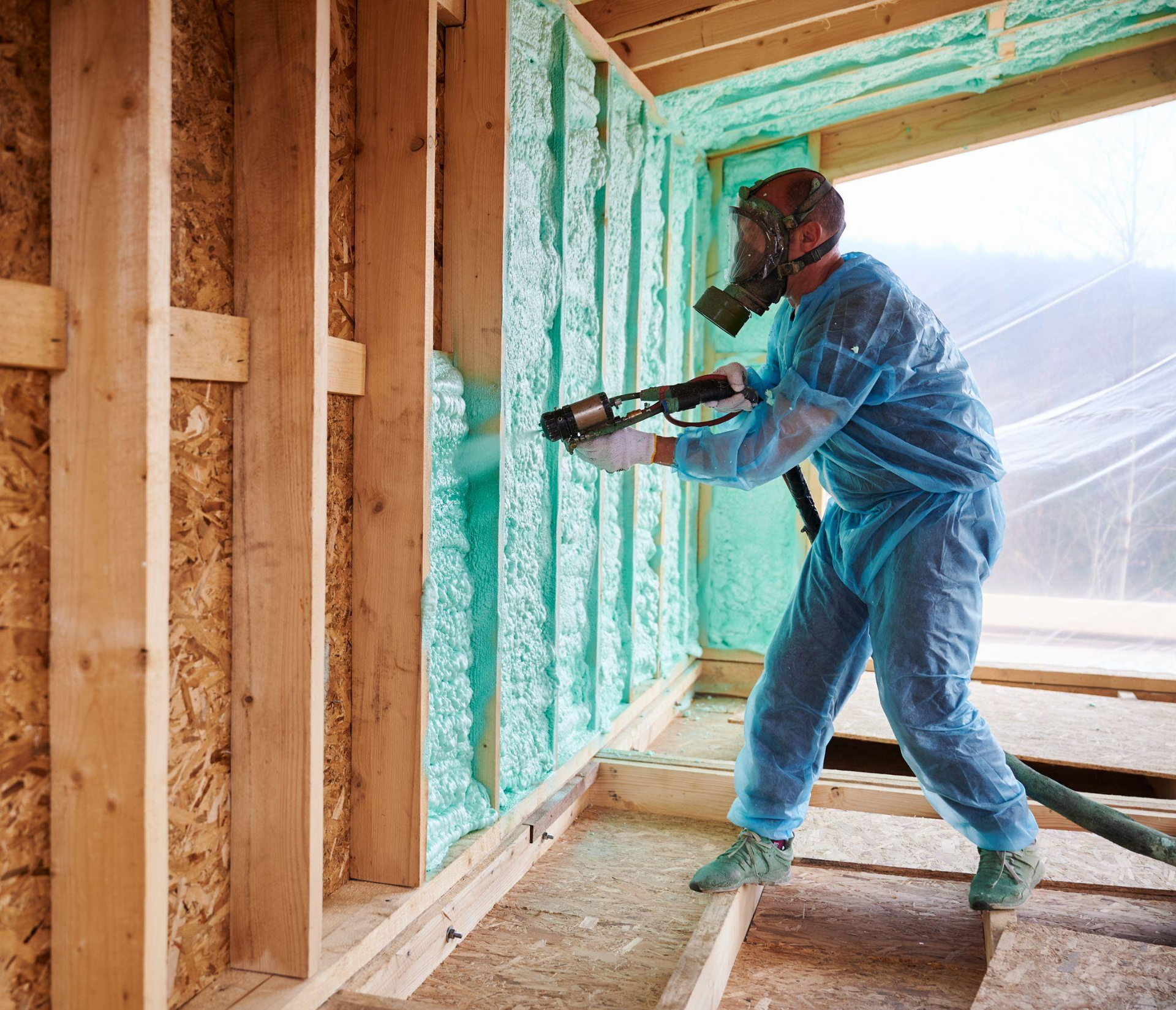
Air sealing closes small openings in the attic floor so warm indoor air cannot escape upward. And proper insulation slows the movement of heat through the ceiling.
When both steps are completed, the attic remains much closer to outdoor temperatures. With less heat reaching the roof, snow is less likely to melt unevenly and form ice dams.
A Warmer House and a Colder Roof
This may sound a little backwards, but the goal of good attic insulation is actually to keep the roof cold during winter. When the roof stays cold, snow melts evenly and gradually when outdoor temperatures rise. This reduces the chance of ice dams forming along the roof edge. At the same time, more of the heat produced by your furnace stays inside the house, where it belongs.
When to Take a Closer Look
If your home develops large icicles or recurring ice dams each winter, the attic may deserve a closer look. Many homeowners are surprised to learn that relatively small air leaks can have a large impact on attic temperatures. Sealing those leaks and improving insulation can make a home more comfortable while helping prevent the conditions that lead to ice dams.
And perhaps best of all, it may allow your roof to return to doing its normal job — protecting your home — instead of doubling as an enthusiastic ice sculpture. (And, your kids will have to return to licking popsicles, rather than icicles.)