You notice a musty smell near the basement wall after a wet week. What if moisture is trapped against a cold foundation? Proper basement wall insulation creates a moisture-resistant thermal barrier that keeps foundation surfaces warmer and helps stop the damp conditions mold needs to grow.
Why Basement Walls Create a Mold Risk
Basement walls stay in contact with cool soil for much of the year. Warm indoor air can meet those cold surfaces and create condensation. Repeated dampness can support mold.
A basement can look dry while moisture quietly collects behind insulation or around small air leaks. Most people miss this.
Here, we’ll explain how wall insulation reduces mold risk, why material matters, and which basement areas deserve attention.
Ready?
Warm the Foundation Surface
The first job of proper insulation is to reduce the temperature difference between basement air and the foundation wall. A well-insulated wall stays warmer, lowering the chance that humid indoor air will reach a surface cold enough to form condensation.
Less condensation means less moisture available for mold.
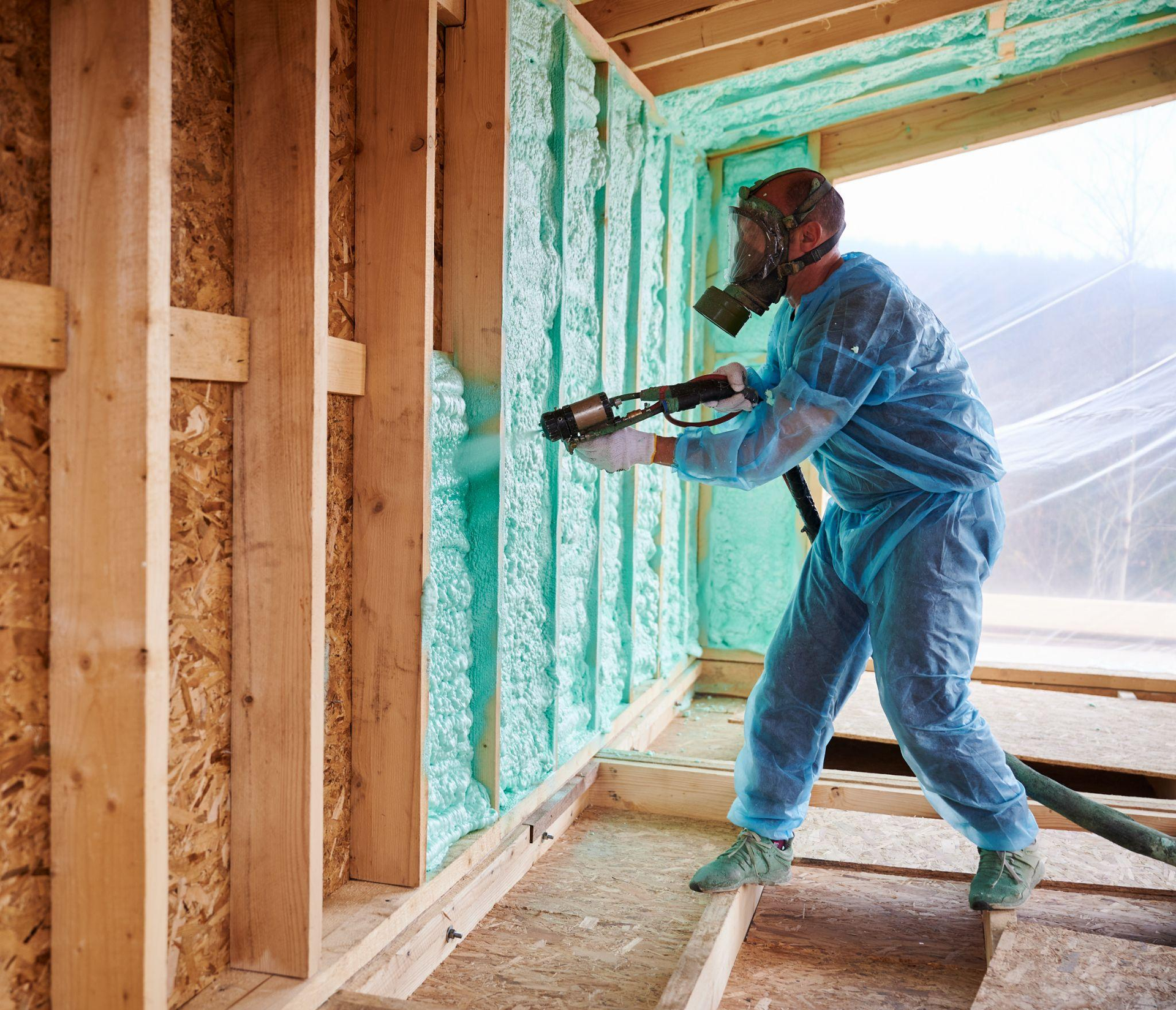
Our basement insulation services in Madison focus on insulation systems that suit below-grade conditions. Duerst Insulation Technicians recommends closed-cell spray foam for many foundation wall applications because it provides strong thermal resistance and moisture resistance. The recommended system has an R-value of 21.
Stop Moisture from Finding Hidden Paths
Insulation can also help reduce air movement. This matters because humid air can travel through small gaps around framing, rim joists, pipes, and other penetrations.
Seal the Weak Spots
A good basement insulation system should address areas where outside air and moisture can enter. Foundation walls deserve attention, but rim joists and box sills also need proper air sealing and insulation.
One small draft can make a nearby section of wall feel much colder than the rest of the basement. Have you seen something like this?
Closed-cell spray foam can seal irregular gaps while providing insulation. Where another material makes more sense, we can recommend a suitable solution.
Don’t ignore this.
Insulation shouldn’t cover an active water leak, standing water, or a serious foundation moisture problem. Those issues need attention first.
Choose Materials That Handle Basement Conditions
Basements are different from upper floors. Concrete foundation walls can stay damp, so the wrong insulation can hold moisture against the wall.
Duerst Insulation Technicians warns that traditional fiberglass batts can absorb moisture when installed against concrete foundation walls. Moisture can reduce insulation performance and create conditions that encourage mold.
Think Beyond the Wall
A basement moisture plan should consider windows, rim joists, sill plates, plumbing penetrations, and areas where the foundation meets framing.
Remember this: You don’t want to warm the basement while leaving a cold, damp corner untouched.
How Proper Insulation Helps Keep Mold Away
Think of the process in practical steps:
- It warms the foundation wall. A warmer surface is less likely to collect condensation.
- It reduces air leakage. Sealing gaps limits humid air moving toward cold surfaces.
- It resists moisture. Suitable insulation helps prevent moisture from becoming trapped against the foundation.
- It supports a drier basement. Better thermal control can reduce damp conditions that encourage mold.
Makes sense, right?
Mold prevention is often about controlling the conditions mold needs, not waiting until you can see the problem.
Protect Your Basement from the Ground Up
Properly insulated foundation walls can make a basement warmer, drier, and more comfortable while helping protect against mold-friendly moisture. Still, insulation works best when the basement has no unresolved leaks or serious water intrusion.
Our basement insulation services in Madison can address foundation walls, rim joists, and other problem areas with insulation suited to below-grade spaces. Duerst Insulation Technicians has more than 25 years of local experience serving Madison and surrounding communities. We also provide commercial insulation services in Madison for businesses with different building needs.
Neglecting it is a mistake. If your basement feels damp, smells musty, or has cold foundation walls, contact Duerst Insulation Technicians and ask about the right insulation approach for your home.