Picture this: you walk up your driveway after a long winter and notice that one slab has sunk just enough to catch your toe, and suddenly, you are wondering how long a proper concrete lifting fix will actually hold up.
Cracked, uneven concrete is more than just an eyesore. It can turn into a safety concern and a maintenance headache if left untreated. In this blog, we will explain how long concrete lifting services last, what factors influence their lifespan, and how you can get the most out of your investment.
How Long Do Concrete Lifting Services Typically Last?
Average Lifespan You Can Expect
When done correctly, concrete lifting can last 10 to 20 years or longer. The exact lifespan depends on soil stability, drainage, and the repair method used.
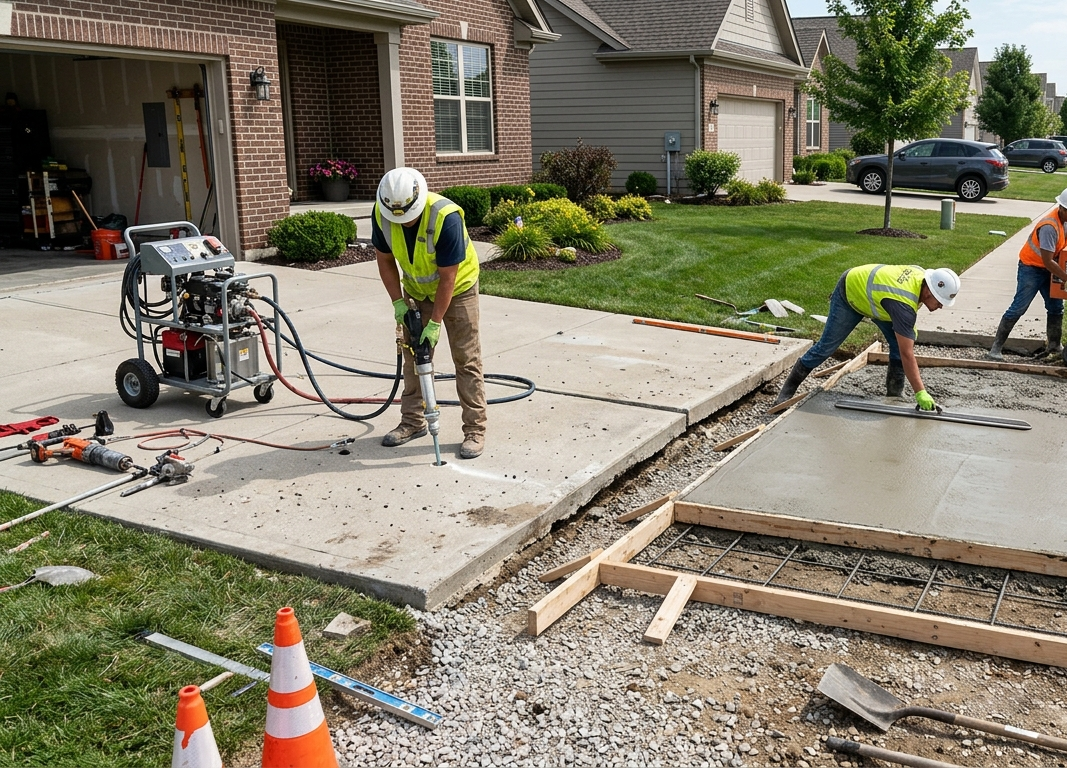
We use advanced techniques that stabilize the base beneath the slab, which is the real reason repairs last. Unlike temporary surface fixes, lifting addresses the root cause of sinking.
Why Some Repairs Last Longer Than Others
Not all lifting jobs perform the same over time. Some hold strong for decades, while others need touch-ups sooner.
The difference usually comes down to how well the underlying soil is supported. If voids are fully filled and moisture is managed, the slab stays level much longer.
Key Factors That Impact Longevity
Soil Conditions Beneath the Concrete
Soil plays the biggest role in how long your repair will last. Expansive or loose soil can shift over time, especially in areas with freeze-thaw cycles like Madison.
We assess soil conditions before lifting to choose the right approach for long-term stability.
Water Drainage Around Your Property
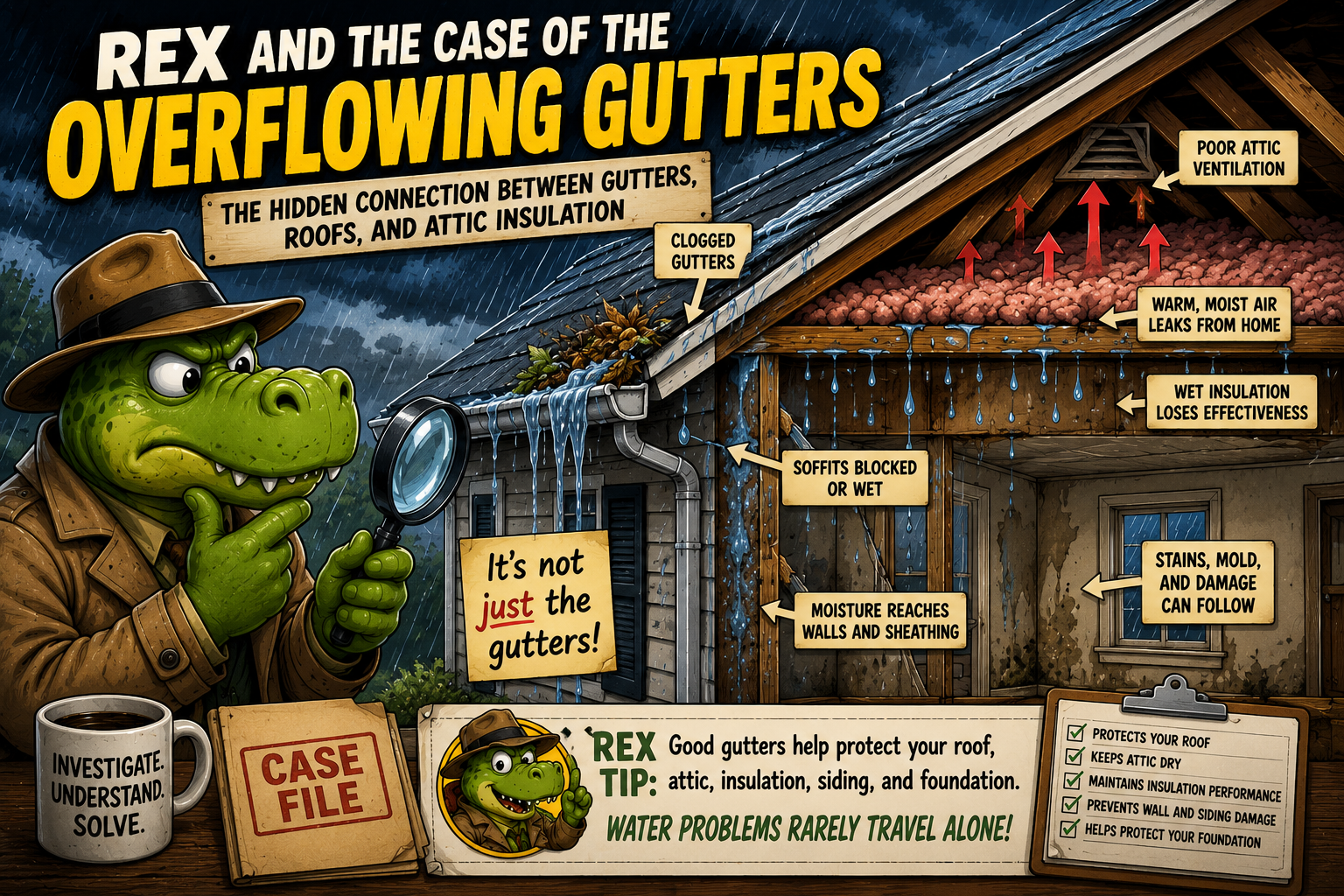
Water is one of the main reasons concrete sinks in the first place. Poor drainage washes away soil, creating empty spaces under slabs.
To extend the life of concrete lifting services in Madison, we always recommend:
- Directing downspouts away from concrete surfaces
- Keeping gutters clean and functional
- Grading the landscape so water flows away from your foundation
Quality of Materials and Installation
The materials used during lifting matter just as much as the technique. High-quality polyurethane foam, for example, resists moisture and maintains its shape over time.
Our team focuses on precise application to ensure even support under the entire slab.
Signs Your Lifted Concrete is Holding Up Well
What to Look For After the Repair
After lifting, your concrete should remain level and stable. Over time, you should not see new gaps forming or notice shifting underfoot.
Some positive signs include:
- Smooth transitions between slabs
- No pooling water after rain
- Consistent alignment with adjacent surfaces
If you notice any small changes, addressing them early can help preserve the repair for years.
How We Help Extend the Lifespan of Repairs
Professional Assessment and Preparation
We do more than just lift concrete. We evaluate the entire area, including soil, drainage, and surrounding structures. This helps us prevent future issues before they start.
Coordinating with Other Property Needs
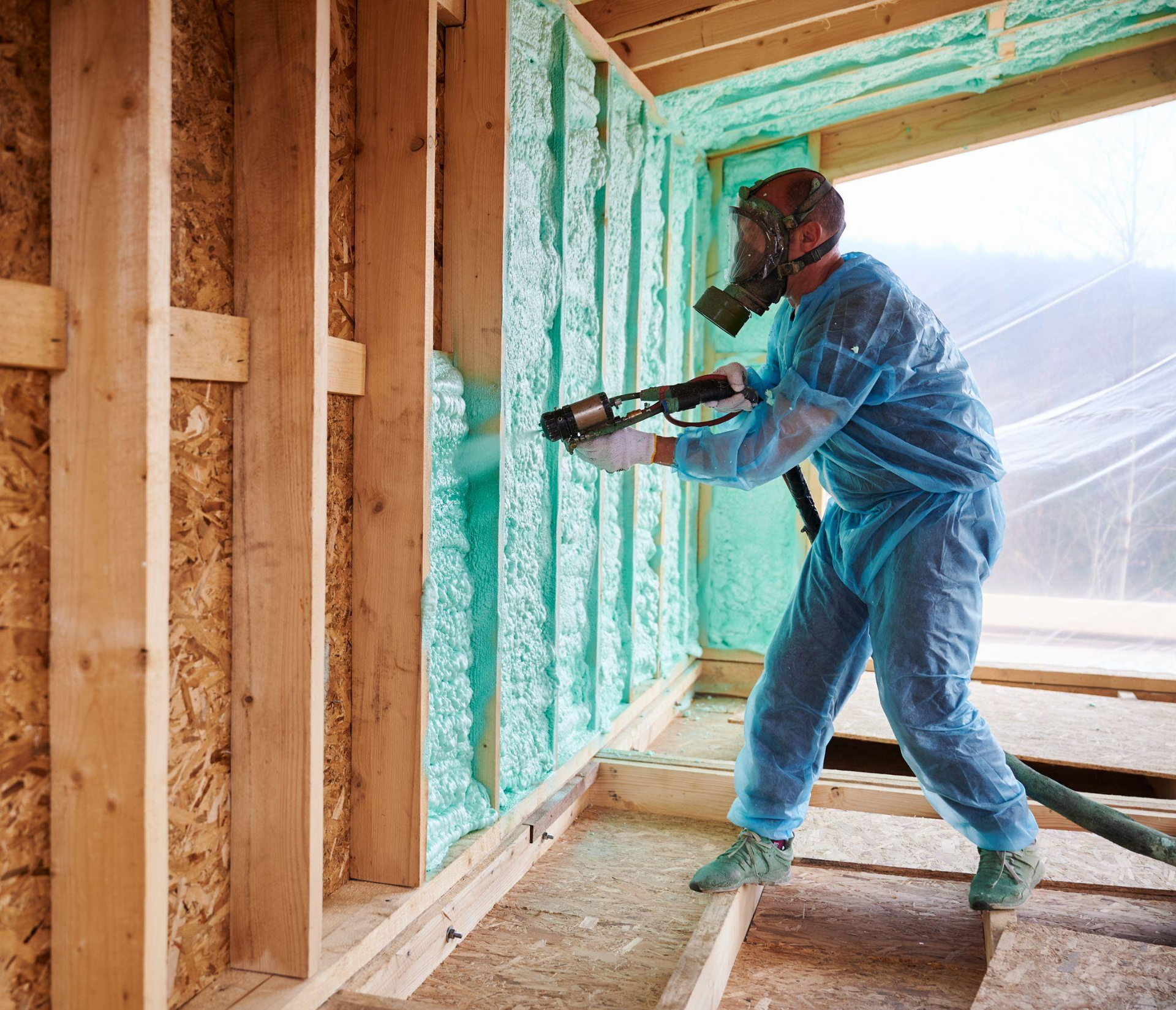
In some cases, homeowners already work with insulation contractors in Madison to improve energy efficiency and moisture control. When insulation and drainage improvements go hand in hand, ground conditions become more stable, supporting longer-lasting concrete repairs.
Ongoing Maintenance Tips
We guide our customers on simple steps they can take after the service:
- Monitor water flow during heavy rain
- Seal cracks if they appear
- Keep nearby landscaping in check
These small actions can make a big difference in how long your repair lasts.
Get Long Lasting Results You Can Count On
Concrete lifting is not just a quick fix. It is a long-term solution when done right and supported by proper site conditions. Most homeowners enjoy many years of stable, even surfaces when the job is handled professionally.
If you are dealing with uneven slabs, our team at Duerst Insulation Technicians is ready to help. We bring experience, precision, and proven methods to every project. Reach out today to schedule your assessment and restore your concrete with confidence.