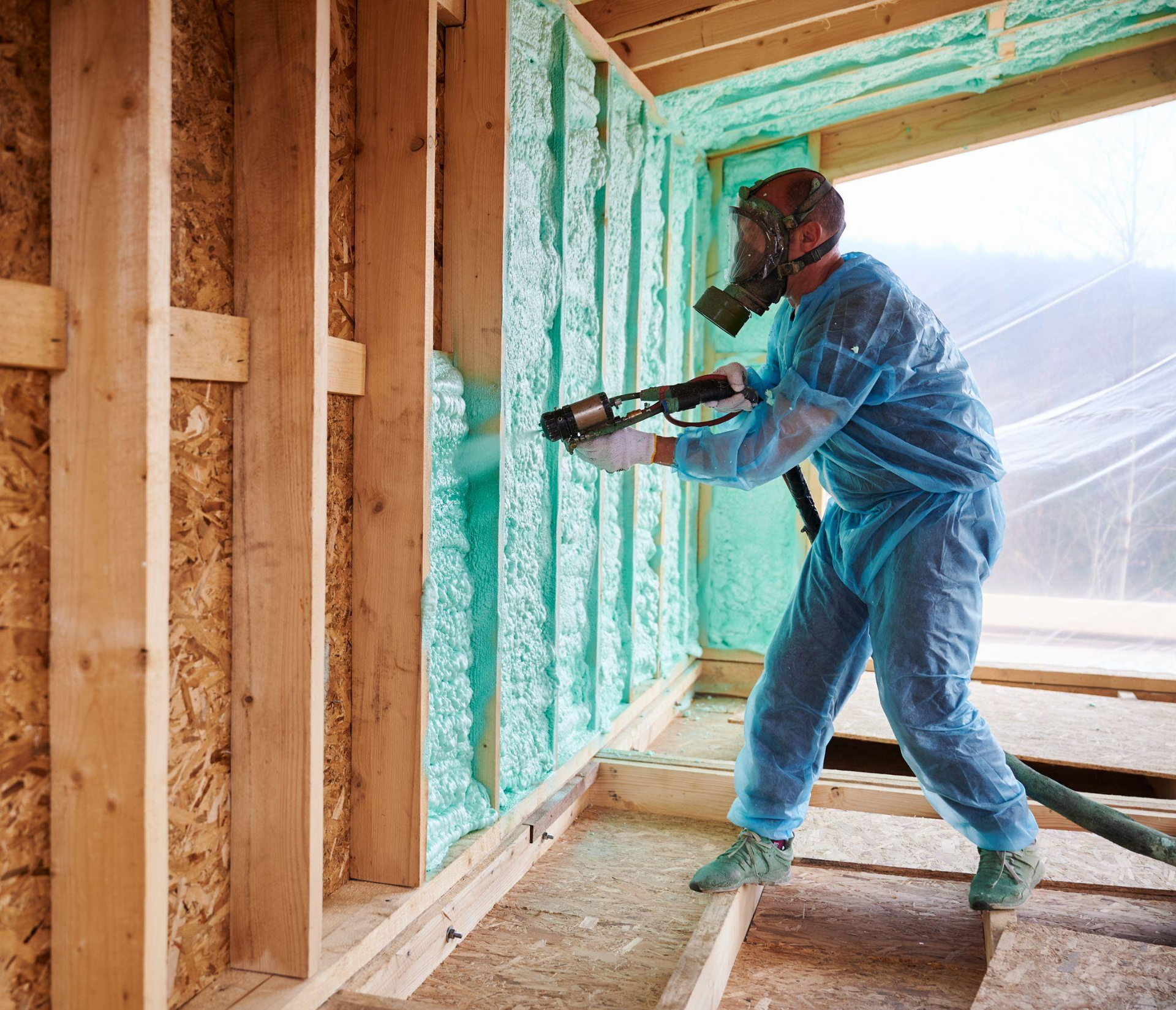
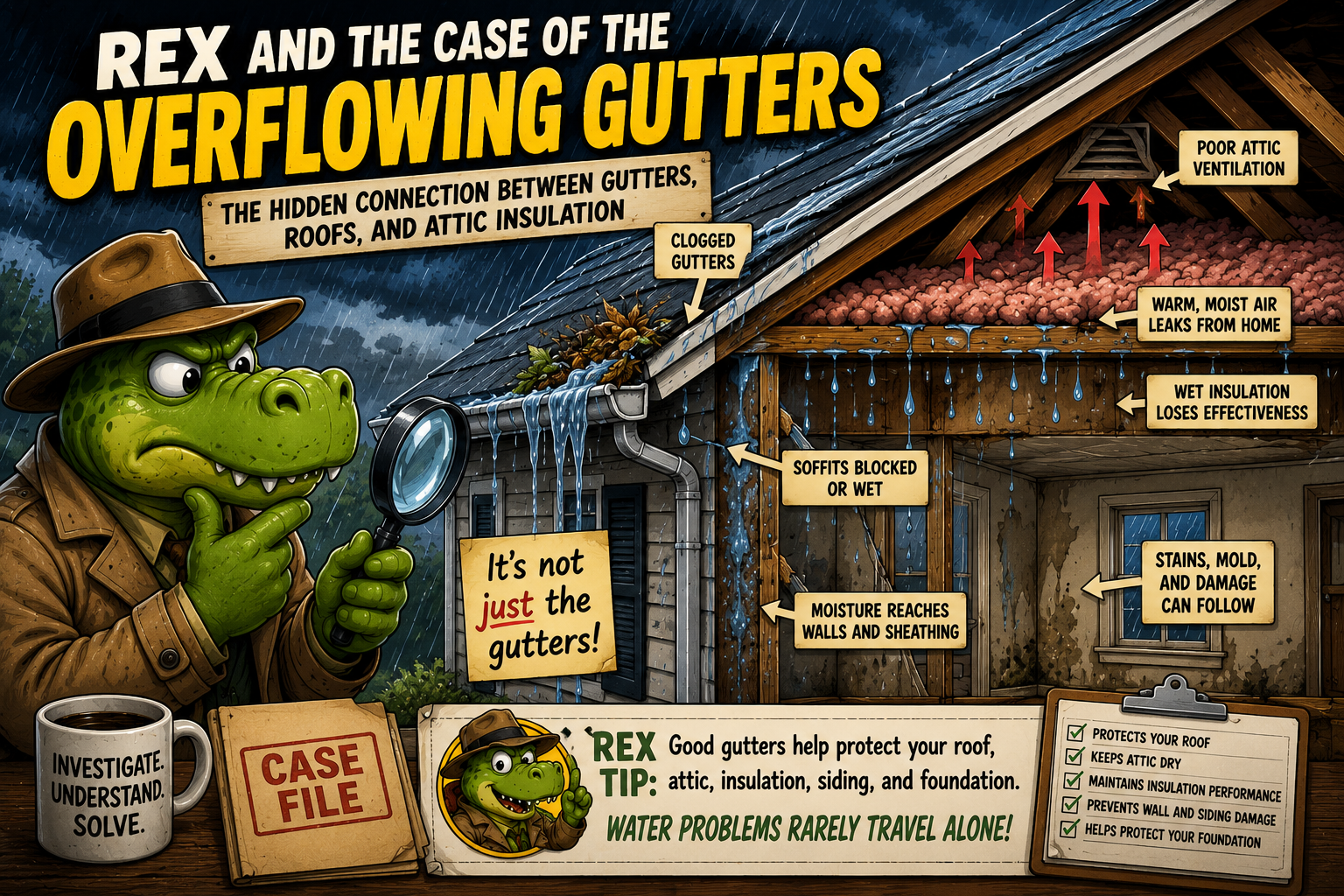
Commercial insulation services in Madison help reduce the risk of moisture buildup behind commercial drywall by improving temperature control, air sealing, and moisture management throughout a building.
Moisture buildup behind commercial drywall occurs when water vapor, air leaks, condensation, or hidden water intrusion becomes trapped within wall systems. Over time, this moisture can damage drywall, reduce indoor comfort, affect insulation performance, and create conditions that encourage mold growth.
For building owners and facility managers, discovering moisture behind a wall can feel frustrating. Everything may look fine on the surface, yet problems could be developing that no one can see. Stained walls, musty odors, or peeling paint often appear long after moisture has already been present.
The good news is that understanding the causes makes prevention much easier. When you know what creates excess moisture and how commercial wall systems work, you can take steps to protect your property before small issues become major repairs.
Let's look at the most common reasons moisture gets trapped behind commercial drywall and how to prevent it.
How Moisture Gets Trapped Behind Commercial Drywall
Drywall itself isn't usually the problem. The issue occurs when moisture enters the wall cavity and has no easy way to escape.
Commercial buildings experience constant temperature changes, varying humidity levels, and daily HVAC operation. When wall assemblies aren't properly designed or maintained, moisture can accumulate inside hidden spaces.
Common moisture sources include:
Indoor humidity- Condensation
- Air leaks
- Roof leaks
- Plumbing issues
- Improper insulation
- Poor vapor control
The challenge is that these issues often remain unnoticed until visible damage appears.
Condensation Caused by Temperature Differences
One of the most common causes of moisture buildup is condensation.
Think about a cold drink on a hot day. Water forms on the outside of the glass because warm air meets a cold surface. The same thing can happen inside commercial walls.
When warm, humid indoor air comes into contact with cooler wall surfaces, moisture can form within the wall cavity. This is especially common during seasonal temperature swings.
Buildings with inconsistent temperature control often experience:
Damp insulation- Wet drywall backing
- Mold growth
- Reduced energy efficiency
Proper wall insulation helps maintain more consistent surface temperatures, reducing opportunities for condensation to develop.
Air Leaks That Carry Moisture Into Wall Cavities
Air movement carries far more moisture than many people realize.
Tiny gaps around electrical penetrations, windows, doors, and utility openings can allow humid air to travel into wall systems. Once that air reaches cooler surfaces, condensation forms.
This process happens slowly and continuously.
For example, a small gap around a pipe penetration may seem insignificant. Yet over months or years, that opening can allow enough moisture-laden air into the wall to create substantial damage.
Many Insulation Contractors Madison property owners work with identify air leakage as a major contributor to hidden moisture problems.
Water Intrusion From Exterior Sources
Not all moisture originates inside the building.
Rainwater can enter wall systems through damaged exterior materials, deteriorated sealants, flashing failures, or roofing issues.
The challenge is that water often travels before becoming visible.
A leak near the roofline may eventually appear as staining much lower on an interior wall. By that point, moisture may have been trapped behind drywall for weeks or even months.
Common entry points include:
Window assemblies- Roof penetrations
- Exterior wall joints
- Damaged siding
- Failed sealants
Regular building inspections can help identify these vulnerabilities before significant damage occurs.
The Benefits of Addressing Moisture Early
Moisture problems rarely improve on their own. Early detection and correction can help prevent:
Drywall deterioration- Mold development
- Indoor air quality concerns
- Structural damage
- Reduced insulation performance
The sooner moisture sources are identified, the easier they are typically to resolve.
Property owners who partner with experienced Insulation Contractors Madison professionals often gain valuable insight into hidden wall conditions before major damage occurs.
Protect Your Building With Smarter Moisture Control
Moisture buildup behind commercial drywall is usually caused by condensation, air leakage, insulation issues, water intrusion, or hidden plumbing leaks. Understanding these causes allows building owners to take proactive steps that protect their property, occupants, and long-term building performance.
When moisture control is combined with high-quality insulation and proper wall design, commercial spaces remain more comfortable, durable, and reliable year-round. If you're concerned about hidden moisture issues, commercial insulation services in Madison can help identify potential problem areas before they become larger concerns.
Let the team at
Duerst Insulation Technicians help you improve building performance with expert insulation solutions, exceptional workmanship, and personalized support. Our commitment to quality design, precise installation, and long-term results helps commercial properties stand out for all the right reasons.