One uneven sidewalk can turn a normal walk to the mailbox into a painful fall, which is why timely concrete lifting can quickly make your property safer and easier to navigate.
Cracked and sunken concrete surfaces create more than an eyesore around a home or commercial property. They often become hazardous, putting family members, guests, customers, and employees at risk. Small height differences in sidewalks, patios, and driveways can easily cause trips, slips, and twisted ankles. In this blog, we will explain how concrete lifting improves safety, where these issues commonly appear, and why fast repairs help protect your property from further problems.
Uneven Concrete Creates Everyday Safety Risks
Trip Hazards Around Walkways and Entrances
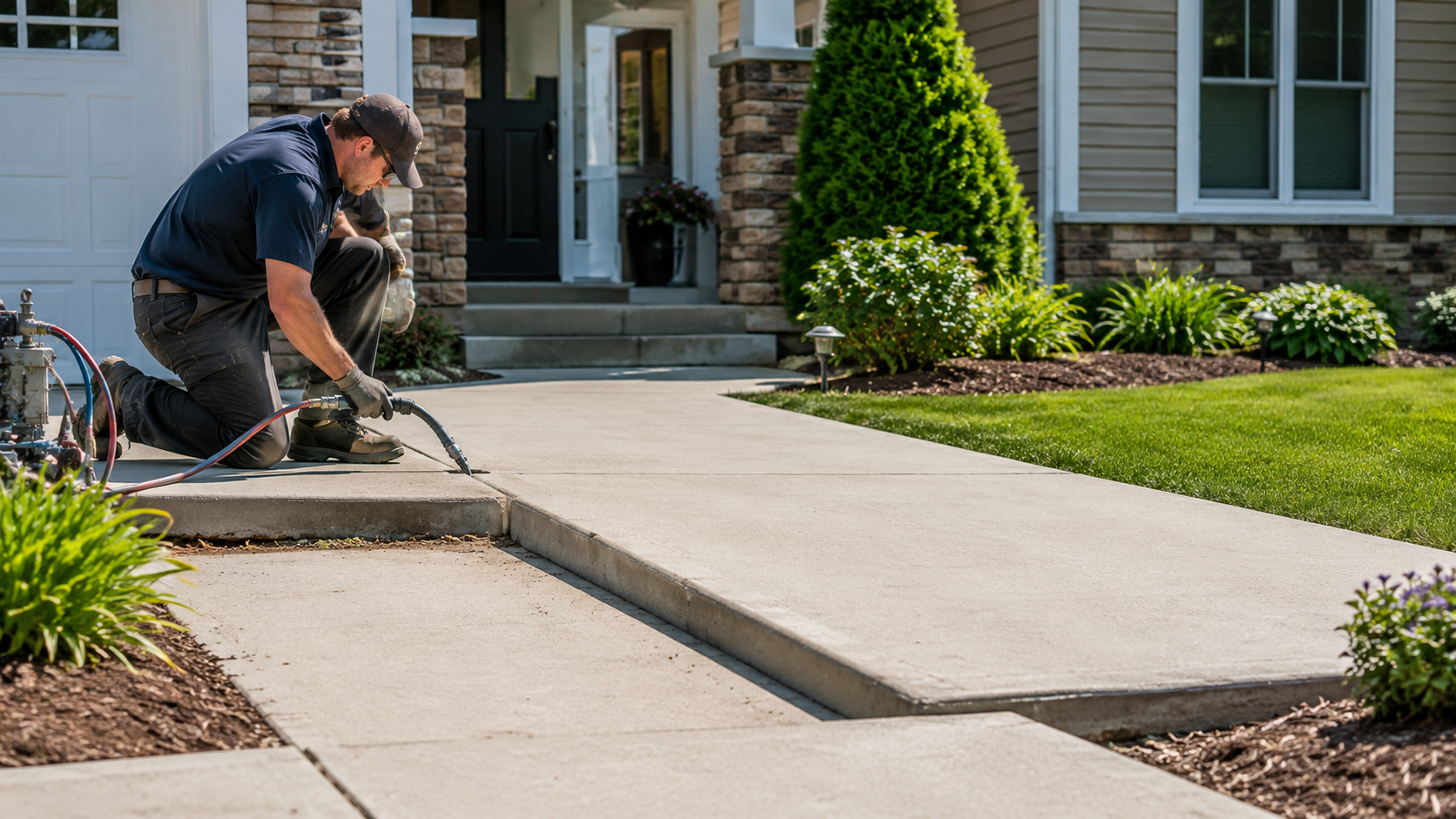
Many property owners get used to uneven concrete because the changes happen slowly over time. A sidewalk panel may sink little by little until one section sticks up higher than the next. Before long, people start catching their shoes on the edge.
These hazards become especially dangerous in:
• Front walkways
• Driveways
• Pool decks
• Garage entrances
• Outdoor stairs
• Patios
Children running through the yard and older adults walking across uneven surfaces face the greatest risks. Wet weather can make these areas even slipperier and more difficult to navigate safely.
Poor Drainage Adds More Danger
Sunken concrete can change how water flows around your property. Instead of draining away correctly, water may collect in low spots near entryways or walkways.
Standing water creates slick surfaces, increasing the risk of slipping. During colder months, trapped water can freeze, forming dangerous ice patches. Lifting concrete back into place helps restore proper drainage and reduces these safety concerns.
How Concrete Lifting Restores Safe Surfaces
Level Surfaces Support Safer Movement
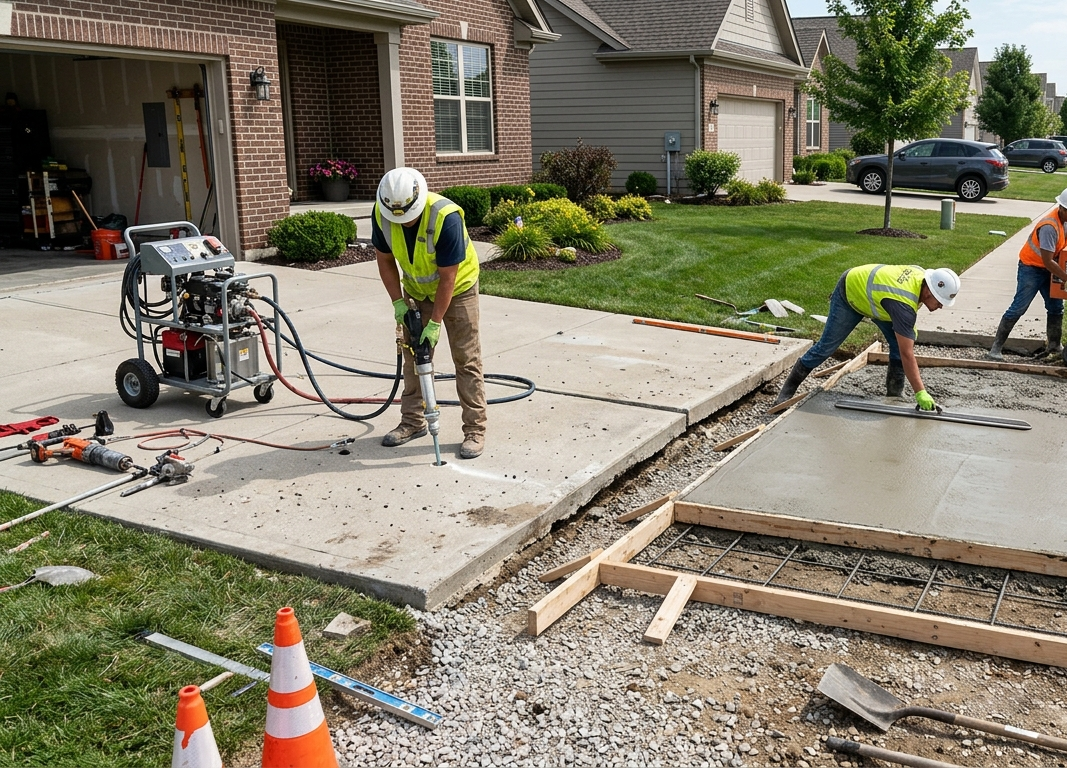
Concrete lifting raises settled slabs back to their original position. This process helps remove uneven edges and restores smoother walking and driving surfaces.
When we perform concrete lifting services in Madison, we focus on correcting dangerous height differences that interfere with safe movement around the property. Restoring proper alignment helps people move comfortably without constantly watching for hazards.
Faster Results with Minimal Disruption
Property owners often avoid repairs because they worry about long interruptions around their home or business. Concrete lifting allows us to stabilize and level surfaces efficiently while keeping the surrounding area usable.
This means:
• Walkways become safer sooner
• Driveways return to normal use quickly
• Businesses can maintain safer access points
• Outdoor areas remain functional during repairs
The sooner uneven concrete is corrected, the sooner the property becomes safer for everyone.
Areas Around Your Property That Benefit Most
Driveways and Garage Approaches
A sinking driveway can create sharp elevation changes that affect both pedestrians and vehicles. Walking across cracked concrete while carrying groceries or unloading children from the car becomes more dangerous than many people realize.
Leveling driveway slabs helps create smoother transitions and safer footing around heavily used areas.
Sidewalks and Entry Paths
Front entrances should feel welcoming, not hazardous. Uneven sidewalks near entrances increase the chance of falls for visitors, delivery drivers, and family members.
Concrete lifting restores stability and helps improve accessibility throughout the property.
Patios and Outdoor Living Spaces
Patios are designed for relaxing and entertaining guests. Unfortunately, settled concrete can make outdoor spaces uncomfortable and unsafe.
Lifted concrete helps create:
- Safer walking surfaces
- Better furniture stability
- Improved drainage after rain
- More comfortable outdoor gatherings
Why Early Repairs Matter for Long-Term Safety
Small Problems Rarely Stay Small
Concrete damage tends to worsen over time. A small, uneven section can continue sinking and eventually create larger cracks and bigger hazards.
Addressing problems early helps prevent unsafe conditions from spreading across other parts of the property.
Moisture Problems Can Affect Nearby Structures
Improper drainage caused by uneven concrete may also affect nearby foundations, steps, and surrounding surfaces. Water pooling near structures can lead to additional damage, creating even more safety concerns.
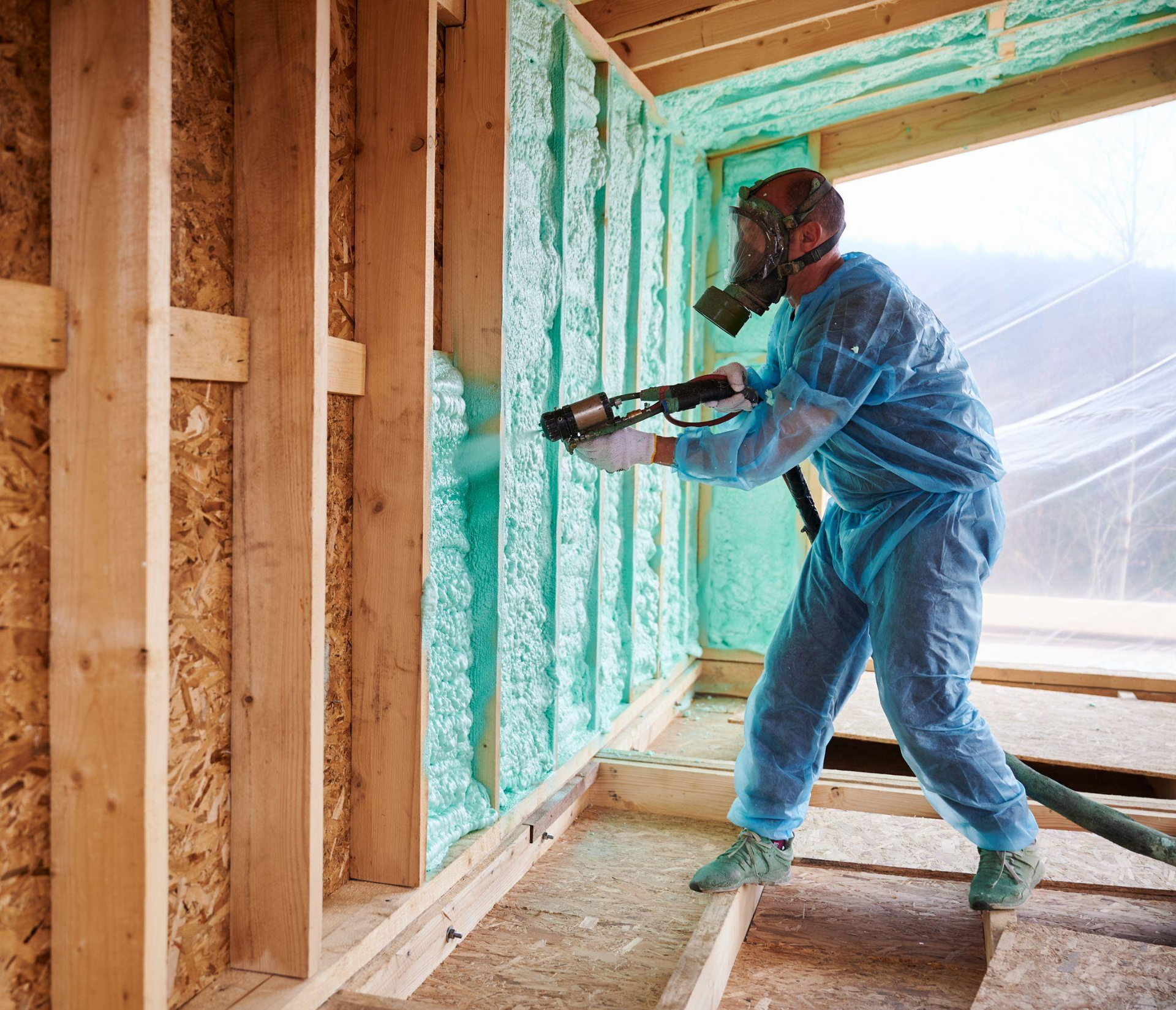
Many property owners who invest in home insulation services in Madison already understand the value of protecting their property from moisture-related problems. Concrete leveling works alongside those efforts by helping direct water away from important structures.
Create a Safer Property with Professional Concrete Repairs
Safe walkways, driveways, and outdoor spaces help protect everyone who visits your property. Uneven concrete may seem minor at first, but it can quickly become a serious hazard when ignored.
At Duerst Insulation Technicians, we provide professional concrete lifting services in Madison to help restore smooth, stable surfaces around your home or commercial property. Our team understands how to identify problem areas, correct dangerous settling, and improve overall safety throughout your outdoor spaces. If your concrete surfaces have begun to sink or crack, now is the time to take action and create a safer environment for everyone.