Fall Insulation Prep — Keep Heat In and Bills Down in Madison Homes

Lee Duerst • October 29, 2025

How Proper Insulation Gets Your Home Ready for Wisconsin’s Winter Weather

When temperatures start to drop, most Madison homeowners turn their focus to the furnace. But your insulation — not your heating system — is what really determines whether your home stays warm or your energy bills skyrocket.


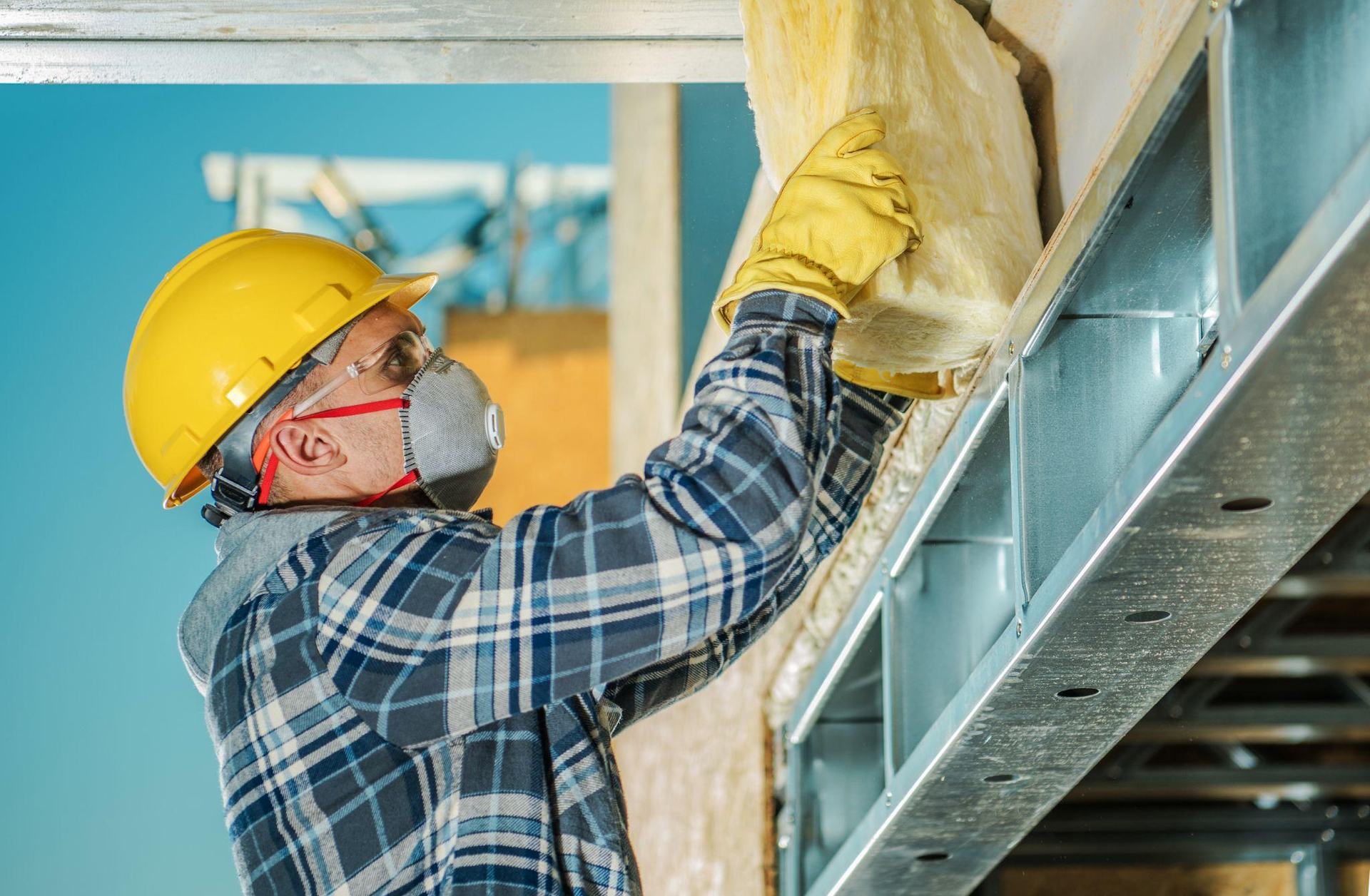
At Duerst Insulation Technicians, we specialize in helping homeowners improve comfort and energy efficiency before the coldest months arrive. Here’s why fall is the perfect time to check your insulation and get your home winter-ready.


Why Fall Insulation Prep Matters

As outdoor temperatures fluctuate, insulation prevents heat from escaping through attics, walls, and floors. Without proper insulation, up to 30% of your home’s heat can be lost, forcing your furnace to run longer and costing you more every month.


In fall, the weather is mild enough for our crews to work efficiently — and upgrades completed now start paying off immediately when the first frost hits.


Signs Your Home Needs More Insulation

Watch for these clues that your insulation isn’t keeping up:

  • Cold drafts or uneven temperatures between rooms
  • Rising heating bills compared to last year
  • Ice dams forming along the roofline
  • Floors that feel chilly even with the heat on

These are all indicators that your attic or wall insulation may be insufficient or has settled over time.


Areas to Prioritize Before Winter

Attic insulation is your home’s first line of defense — warm air rises, and without a proper barrier, that heat escapes right through the ceiling. Wall and rim joist insulation also play a key role in preventing cold infiltration around basements and exterior walls.


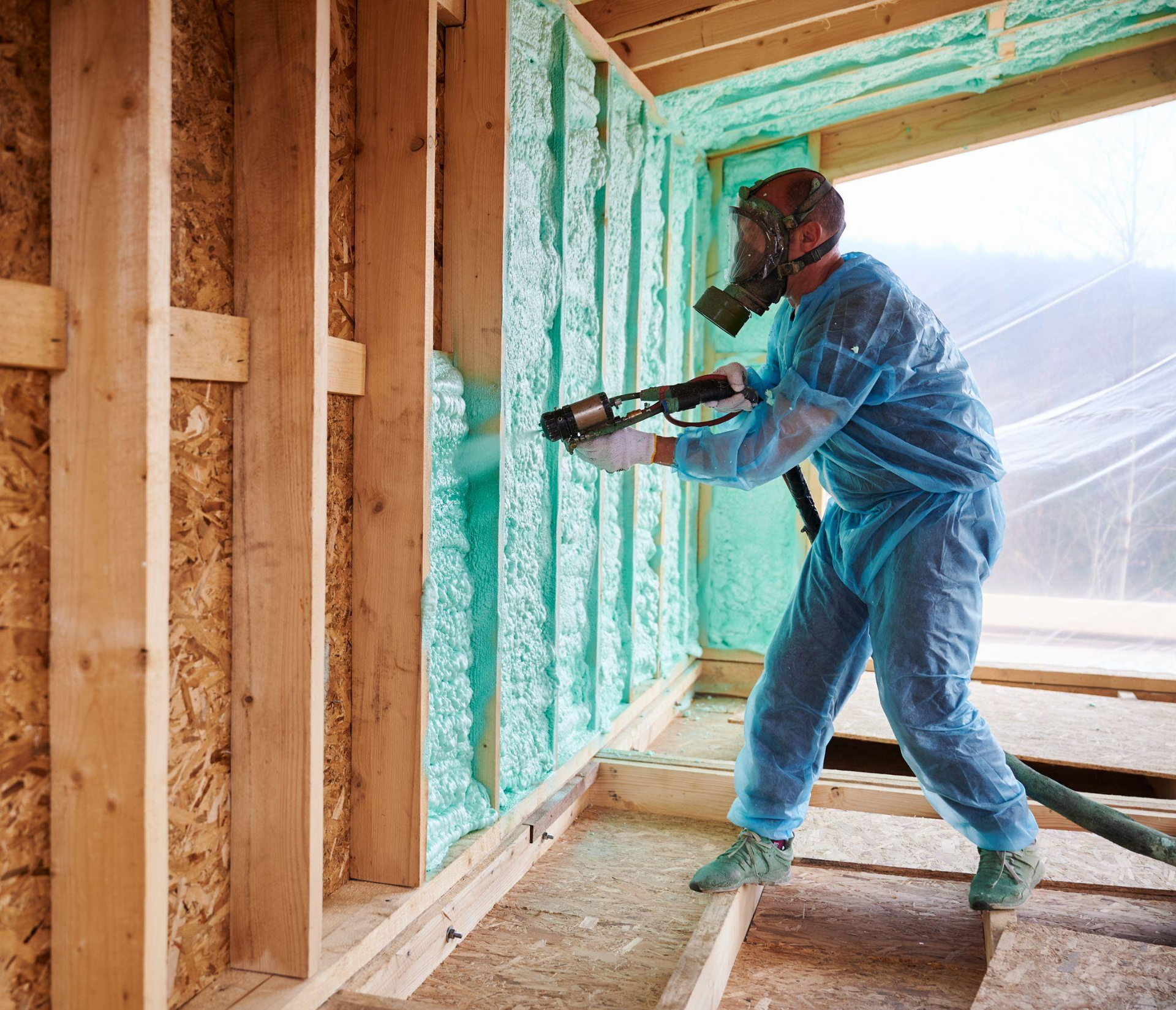
At Duerst, we use high-performance spray foam, cellulose, and fiberglass insulation systems, customized for Wisconsin homes to maximize R-value and comfort.


The Added Bonus: Lower Energy Bills All Season Long

Better insulation doesn’t just keep your home warmer — it stabilizes temperatures and reduces strain on your HVAC system. Homeowners often see energy savings of 10–20% after upgrading.


With fuel prices on the rise, fall insulation prep is a smart investment that pays for itself faster than most home upgrades.


Get Ready for Winter with Duerst Insulation Technicians

Don’t wait until the first freeze to find out your home is under-insulated. Schedule your fall insulation inspection today, and we’ll help you keep the heat in — and the bills down — all winter long.

By Lee Duerst May 18, 2026
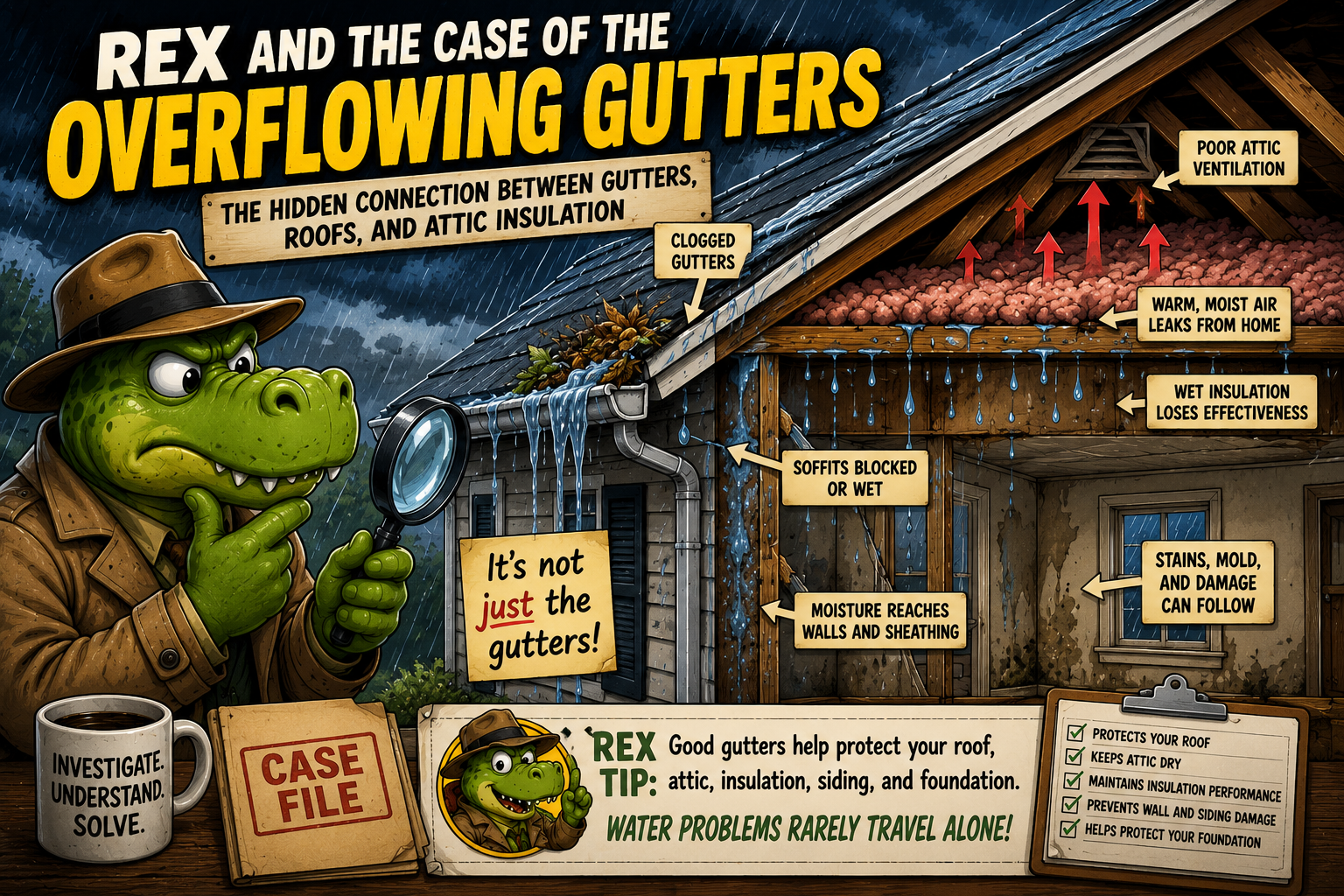
The Hidden Connection Between Gutters and Attics 
By Lee Duerst May 15, 2026
Rex and the Case of the 47-Year-Old Furnace
By Lee Duerst May 14, 2026
Rex Discovers Why Bathroom Fans Create Problems in Attics
By Lee Duerst May 12, 2026
Spray Foam Insulation: High Performance — But Is It Right for Every Home?
By Lee Duerst May 12, 2026
Cellulose Insulation: Why It Performs Differently
By Lee Duerst May 12, 2026
Fiberglass Insulation: Common, Affordable… and Often Misunderstood
By Lee Duerst April 29, 2026
The Hidden Air Leaks in Your Home
By Lee Duerst April 29, 2026
Gas Fireplaces: Convenience with Tradeoffs
By Lee Duerst April 29, 2026
Keep the Feature – Lose the Leak In previous posts, we established a few things: Fireplaces look great They’re not exactly energy all-stars And sometimes… they’re quietly working against your heating system But this isn’t a “never use your fireplace again” speech. It’s about using it smarter . Start With the Simplest Fix: Close the Damper Let’s begin with the obvious—because it’s often overlooked. Make sure the damper is fully closed when the fireplace isn’t in use Check it occasionally—it doesn’t always seal as tightly as you think A damper is better than nothing… …but it’s not an airtight solution. Think of it more like “slowing the leak” than “stopping it.” Take It a Step Further: Seal the Chimney When Not in Use If you rarely use your fireplace, this is where real improvement happens. Options include: Chimney balloons or plugs Top-sealing dampers (installed at the chimney cap) These: Block airflow more effectively Reduce heat loss significantly Help keep cold air from dropping into the house Just one rule: If you seal it—make sure you remove it before using the fireplace. (That’s a bad day otherwise.) Glass Doors: Helpful, With Limits Glass doors can: Reduce the amount of warm air pulled out of the house Improve safety (sparks, pets, kids) But they: Don’t make a fireplace “efficient” Don’t fully stop air movement Good upgrade—just don’t expect miracles. If You Use It Often, Use It Wisely For those who actually burn wood regularly: Burn dry, seasoned wood Use smaller, controlled fires Close the damper once the fire is completely out Avoid leaving it open overnight “just in case” And remember: Most traditional fireplaces still lose more heat than they produce. (Yes… even when they feel warm sitting right in front of them.) Consider an Upgrade (If It’s More Than Occasional Use) If the fireplace is part of your routine, not just a holiday guest appearance: You might look at: Fireplace inserts Sealed combustion units These: Burn more efficiently Reduce air loss Actually contribute to heating the space Now you’re moving from “ambiance” to “appliance.” Or… Rethink the Role Entirely If the fireplace isn’t used much: Seal it properly Turn it into a design feature Think: Artwork Plants Decorative logs or candles You keep the character… without the energy penalty. The Bottom Line A fireplace doesn’t have to be a problem. But left alone, it often is. The goal isn’t to get rid of it— it’s to decide what role it plays in your home. Occasional use → manage the airflow Frequent use → improve the system No use → seal it and enjoy the look Final Thought Fireplaces are great at creating atmosphere. Just don’t let them quietly heat the outdoors while you’re paying the bill. Thinking about a gas fireplace? Check out the pros and cons in this post .
By Lee Duerst April 29, 2026
Why using a fireplace can actually make your house colder.
Show More