Winter in Madison isn’t forgiving—and for commercial buildings, the impact is even greater. As temperatures drop, heating systems work harder, energy usage climbs fast, and any insulation weaknesses become painfully obvious. For property managers, facility operators, and business owners, preparing your building’s insulation before winter isn’t just a smart move—it’s essential.
Duerst Insulation Technicians supports commercial facilities across Madison and Dane County with solutions that improve performance, reduce operational costs, and protect buildings during the harshest months of the year. Here’s why strong insulation matters now more than ever—and how to get ahead of winter’s demands.
Why Commercial Buildings Face Greater Winter Challenges
Commercial structures—whether offices, retail centers, warehouses, apartments, or light industrial spaces—deal with larger temperature loads and more complex building envelopes than homes. Weak insulation in a commercial property doesn’t just reduce comfort; it directly impacts the bottom line.
Major Winter Stress Points for Commercial Facilities
- High-capacity heating systems running nonstop
- Large surface areas losing heat through roofs, walls, and mechanical rooms
- Air leakage through doors, loading docks, and aging windows
- Moisture issues that worsen in cold conditions
- Inconsistent temperatures in multi-level or open-layout buildings
Before winter hits, identifying and correcting insulation gaps prevents expensive heating spikes and structural wear.
The Business Case for Upgrading Insulation Now
Even a modest improvement in insulation can have a major effect on energy usage. With Wisconsin winters delivering months of sub-freezing conditions, the ROI is immediate and measurable.
Top Benefits of Pre-Winter Commercial Insulation Upgrades
- Lower Heating Costs: Reduce the load on HVAC systems and control utility expenses.
- Improved Comfort: Maintain stable interior temperatures for employees, tenants, and customers.
- Greater Energy Efficiency: Seal air leaks and reduce heat transfer across large surfaces.
- Protect Building Assets: Prevent moisture infiltration, condensation, and freeze-thaw damage.
- Better Equipment Longevity: Reduce strain on heating units and mechanical systems.
- Regulatory & Efficiency Compliance: Meet energy standards and qualify for rebate programs.
In short: higher performance, lower overhead, fewer winter headaches.
Commercial Insulation Services Tailored for Madison’s Climate
Duerst Insulation Technicians offers specialized commercial insulation services designed for Wisconsin’s extreme weather and diverse commercial building needs.
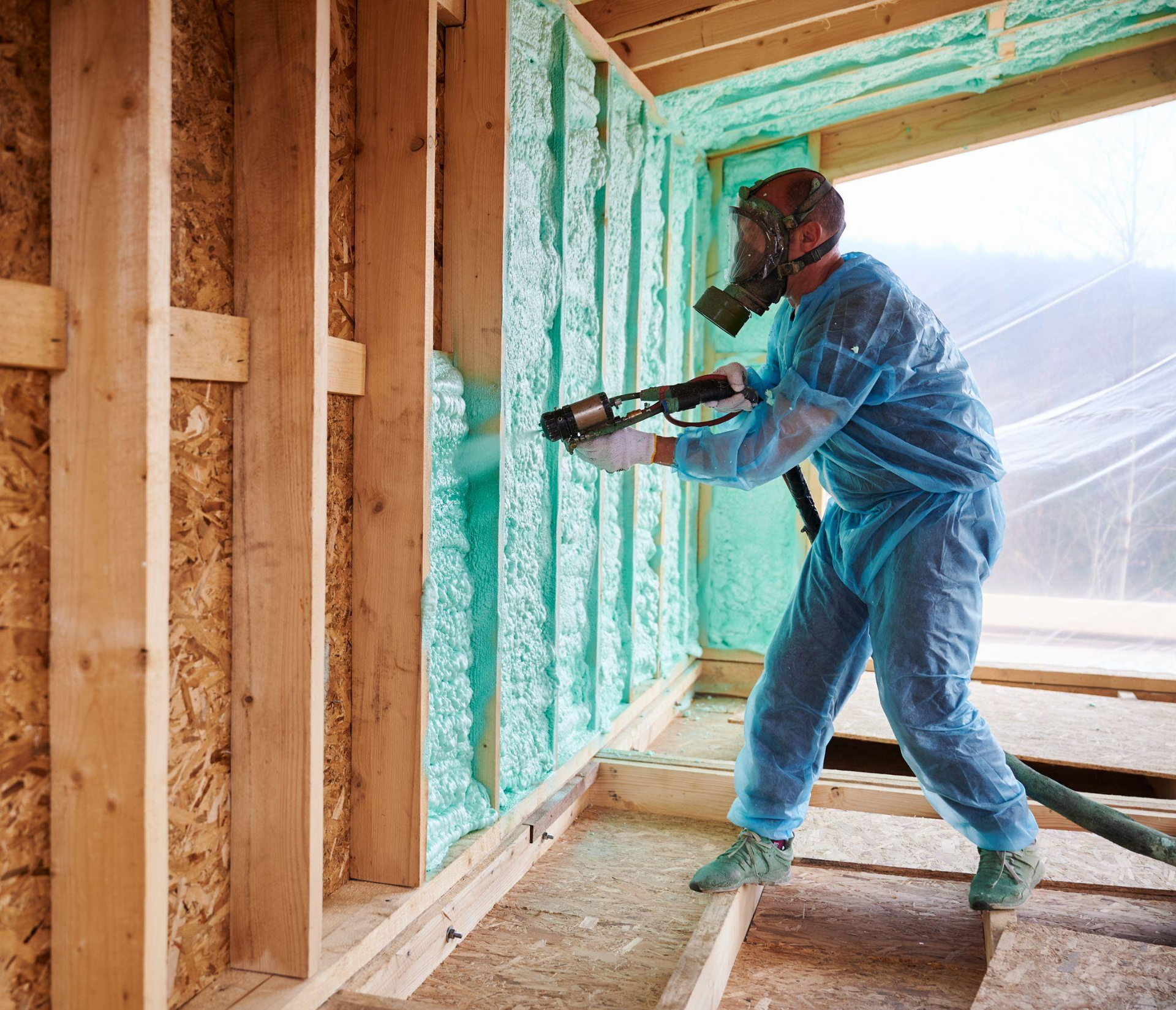
1. Spray Foam Insulation
Ideal for air sealing, thermal control, and moisture resistance—spray foam is one of the most effective ways to boost commercial energy performance. It’s commonly used in roof decks, mechanical rooms, metal buildings, warehouses, and hard-to-seal gaps.
2. Blown-In Insulation Systems
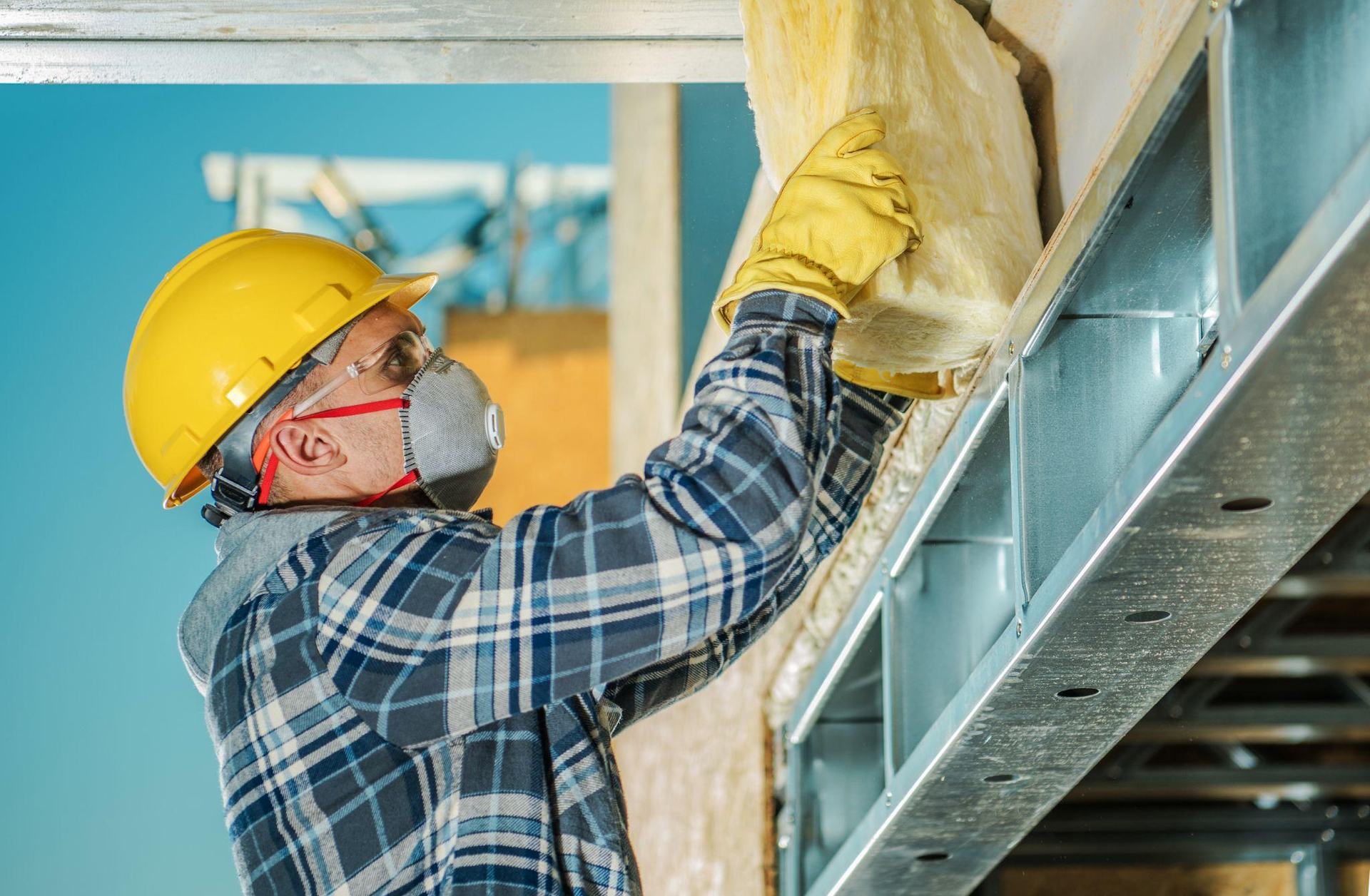
A cost-efficient solution for commercial attics, flat roofs, and large open cavities. Blown-in insulation increases thermal resistance quickly and evenly.
3. Rigid Foam Board Insulation
Perfect for foundation walls, exterior assemblies, and areas requiring high, stable R-values with excellent moisture protection.
4. Fiberglass & Batt Insulation
A reliable, budget-friendly option for commercial walls and mechanical areas needing added thermal support.
5. Air Sealing & Thermal Envelope Improvements
Commercial buildings often suffer from significant air leakage—especially around loading docks, roof penetrations, and mechanical chases. Air sealing reduces temperature swings and eases strain on heating systems.
6. Insulation Removal & Replacement
Old, damaged, or saturated insulation contributes to poor energy performance. We safely remove compromised material and install new systems that restore efficiency and protect the structure.
Identifying Insulation Issues Before They Cost You
Most heat loss problems are hidden. Before winter arrives, a professional evaluation can reveal:
- Hot and cold spots across floors or suites
- Thermal gaps in roof assemblies
- Air leaks in mechanical rooms or elevator shafts
- Inefficient wall insulation in older buildings
- Moisture intrusion that signals insulation failure
Duerst Insulation Technicians assesses your building’s entire thermal envelope and recommends improvements engineered for long-term performance.
Rebates & Energy Incentives for Madison Businesses
Commercial properties in Wisconsin may qualify for significant savings through:
- Focus on Energy commercial incentives
- IRA efficiency programs
- HVAC performance rebates
- Building improvement tax credits
We assist in identifying eligible programs and guiding regional businesses through the savings process.
Prepare Your Building Before the Cold Arrives
A proactive insulation approach keeps your building stronger, safer, and more efficient all winter long. Waiting until the first cold snap hits leads to higher operational costs—and rushed repairs at the worst possible time.
Duerst Insulation Technicians is ready to help Madison businesses optimize energy performance before winter takes hold.